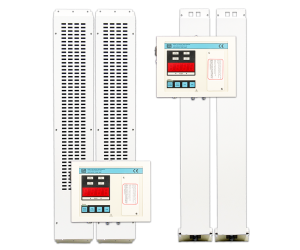
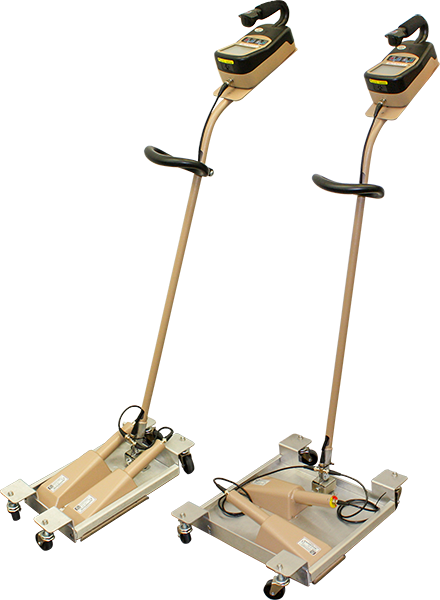
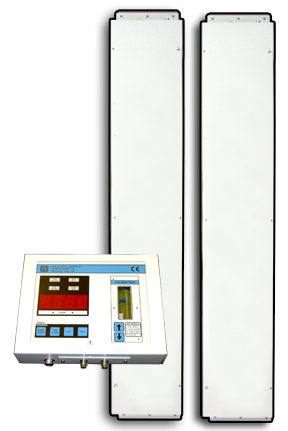
Across nuclear facilities, border inspection points, laboratories, and critical infrastructure sites, radiation area monitoring systems provide real-time detection of gamma, X-ray, and other radiation sources. By delivering constant environmental monitoring and automated alerts, these systems enable organisations to quickly identify abnormal radiation levels and respond to potential threats.
For government agencies, defence organisations, customs authorities, and nuclear security operators, reliable radiation monitoring supports both operational readiness and regulatory compliance. Advanced radiation area monitors combine sensitive detectors, intelligent alarm functions, and networked monitoring capabilities to maintain continuous situational awareness.
PEO Detection provides professional-grade radiation area monitoring solutions suitable for high-security environments, supporting organisations that require dependable radiological surveillance and early threat detection.
What is a Radiation Area Monitor?
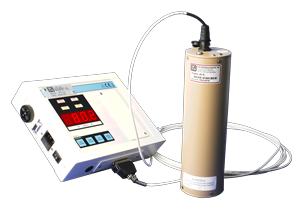
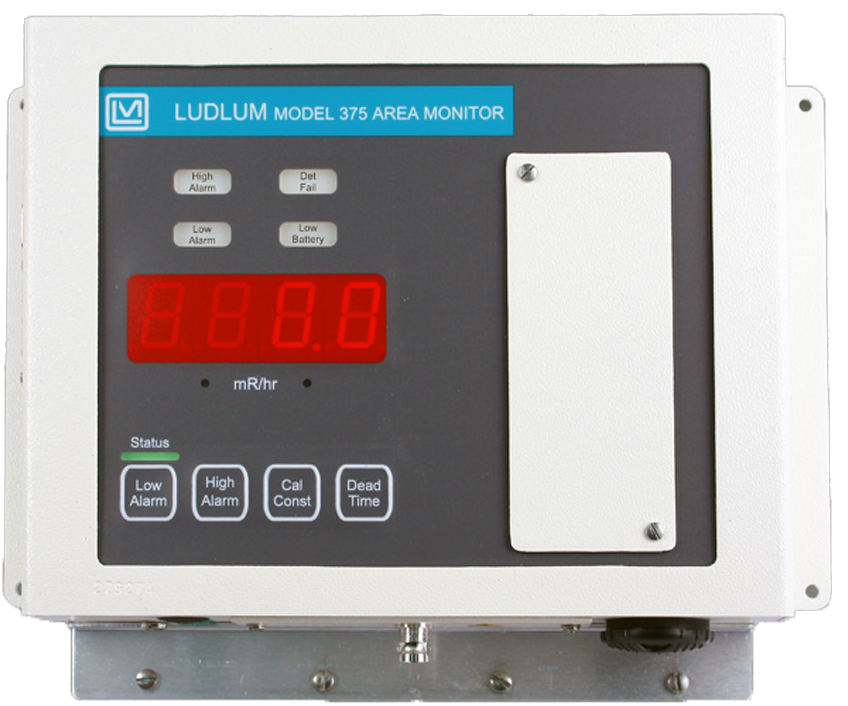
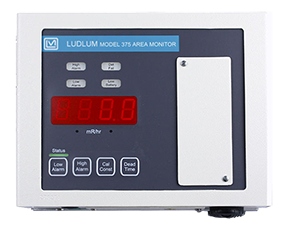
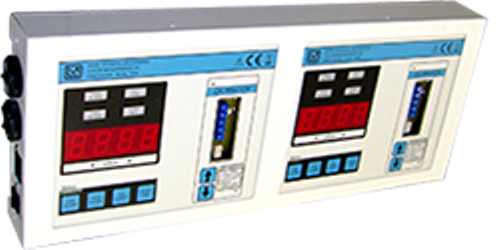
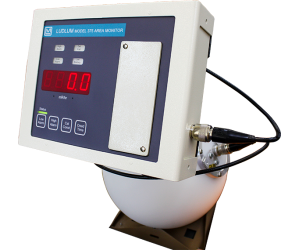
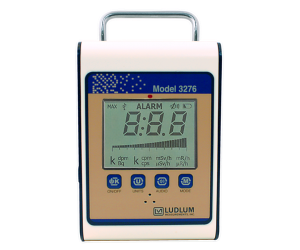
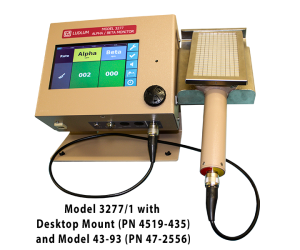
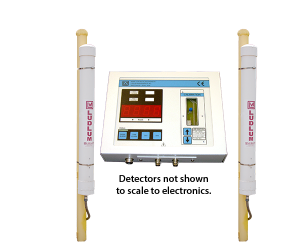
A radiation area monitor is a fixed radiation detection device designed to continuously measure the level of ionising radiation within a defined environment.
Unlike handheld detectors used for temporary inspections, area monitors are typically installed permanently to provide ongoing surveillance of dose rate levels in locations where radioactive materials may be handled, stored, or transported. These systems measure radiation in real time and trigger alarms when levels exceed predefined safety thresholds.
Radiation area monitoring is commonly used in:
- Nuclear facilities
- Medical isotope laboratories
- Border inspection zones
- Research laboratories
- Industrial radiation environments
- Critical infrastructure sites
By providing continuous monitoring, radiation area monitors form a core component of modern radiological safety and security programmes.
How Radiation Area Monitor Technology Works
Radiation area monitoring systems rely on specialised detectors designed to measure ionising radiation levels in the surrounding environment. Most systems use one or more detection principles depending on the application, required sensitivity, and expected dose rate range.
Common Detector Technologies
Geiger-Müller Detectors
Geiger-Müller (GM) tubes are widely used for detecting gamma and beta radiation. They provide high sensitivity for low-level radiation monitoring across a broad range of operating conditions.
Ionisation Chambers
Ionisation chambers measure dose rate by detecting ionisation within a gas-filled chamber. They are particularly suitable for higher dose rate monitoring and are often used in nuclear and industrial environments.
Scintillation Detectors
Scintillation detectors use materials that emit light when exposed to ionising radiation. They offer high sensitivity and fast response for advanced gamma radiation detection.
Networked Monitoring and Alarm Functions
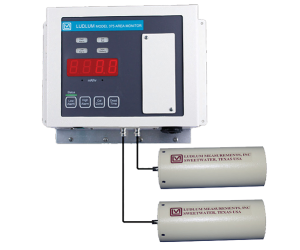
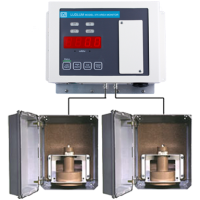
Modern radiation monitoring is often deployed as part of a networked system, enabling multiple sensors to connect to a central controller or monitoring platform. This supports:
- Real-time dose rate monitoring across multiple zones
- Automated alerts and alarm escalation
- Remote status checks from control rooms
- Integration into wider security and safety systems
Applications of Radiation Area Monitoring Systems
Radiation area monitors support security, safety, and regulatory operations across diverse environments. Typical deployments include:
Border Security
Customs and border authorities use radiation monitoring systems to detect potential trafficking of radioactive materials and support nuclear security objectives.
Ports and Maritime Security
Seaports and maritime logistics hubs deploy continuous radiation monitoring to enhance security across cargo handling and inspection zones.
Airports
Airports benefit from radiation area monitoring for regulated materials handling, including safe movement and storage of medical isotopes and screened cargo.
Military Checkpoints
Defence and military organisations use radiological monitoring to help identify potential threats in controlled areas, operational checkpoints, and secured bases.
Critical Infrastructure
Energy sites, research facilities, industrial plants, and strategic infrastructure require environmental radiation monitoring to maintain safe operating conditions.
Nuclear Safety and Radiation Monitoring
Nuclear environments depend on fixed radiation monitoring systems to maintain compliance, protect staff, and continuously verify safe dose rate levels.
Cargo and Vehicle Inspection
Radiation area monitors can complement cargo inspection workflows, supporting detection of radioactive sources within freight zones and vehicle inspection areas.
Key Features and Capabilities
- High sensitivity detection for gamma and X-ray radiation sources
- Continuous environmental radiation monitoring with real-time dose rate measurement
- Automated alerts using configurable thresholds and alarm escalation
- Remote monitoring capability for centralised oversight and situational awareness
- System integration with security and safety monitoring platforms
- Networked monitoring across multiple detectors and zones
- Robust construction for demanding operational environments
Benefits of Using Radiation Area Monitoring Systems
Professional radiation area monitoring systems deliver operational advantages for security and safety stakeholders:
- Improved threat detection through continuous monitoring and rapid alarm response
- Enhanced safety for personnel by identifying abnormal radiation conditions early
- Regulatory compliance support for nuclear, medical, and industrial requirements
- Reduced inspection times by automating monitoring while maintaining coverage
- Greater operational visibility through multi-zone monitoring and centralised reporting
Choosing the Right Radiation Area Monitor Solution
Selecting the right radiation area monitor depends on operational requirements, site conditions, and integration needs. Key considerations include:
- Detection sensitivity based on expected radiation types and dose rate ranges
- Environmental conditions such as temperature, humidity, and installation constraints
- Integration capability with command platforms, alarms, and facility safety systems
- Coverage and throughput requirements for high-activity areas or multi-zone sites
- Compliance with international standards and recognised safety guidelines
Our Radiation Area Monitoring Solutions
PEO Detection supplies a range of advanced radiation area monitors and networked systems for professional security and safety environments. These solutions support:
- Continuous dose rate monitoring
- Environmental radiation surveillance
- Nuclear safety operations
- Critical infrastructure protection
Our systems are designed to deliver dependable detection performance and can be integrated into broader monitoring frameworks to support comprehensive radiological safety and security operations.
Why Choose PEO Detection
PEO Detection supports government agencies, defence organisations, customs authorities, and security integrators with detection technologies built for demanding operational conditions.
- Global security expertise across defence, border, and critical infrastructure environments
- Partnerships with leading manufacturers of radiation and security detection systems
- Proven deployment in high-risk and high-security operational contexts
- Support and consultancy services for selection, integration, and long-term deployment
Conclusion
Radiation area monitors are essential tools for maintaining safety and security where ionising radiation may be present. With continuous environmental monitoring and automated alarms, these systems help organisations detect radiological threats, protect personnel, and support regulatory compliance.
Explore the radiation area monitoring solutions available from PEO Detection to identify the right system for your operational requirements and security environment.
Frequently Asked Questions
What is a radiation area monitor?
A radiation area monitor is a fixed radiation detection system designed to continuously measure ionising radiation levels within a defined environment. It monitors dose rate in real time and can trigger visual and audible alarms if radiation exceeds configured thresholds, supporting early response and improved personnel safety.
What types of radiation can area monitors detect?
Most radiation area monitors are configured for gamma radiation and X-ray monitoring, with some systems also supporting beta and neutron detection depending on detector type and deployment needs. Technology options include Geiger-Müller tubes, ionisation chambers, and scintillation detectors.
Where are radiation monitoring systems used?
Radiation monitoring systems are used in nuclear facilities, research laboratories, hospitals handling medical isotopes, industrial environments, and critical infrastructure sites. They may also be deployed at border crossings, ports, and airports to support security operations and radiological safety.
Why is continuous radiation monitoring important?
Continuous monitoring provides early warning of abnormal radiation levels and helps ensure controlled environments remain within safe dose limits. It supports incident prevention, improves response times, and contributes to compliance in regulated environments such as nuclear, medical, and industrial operations.
How do radiation area monitors trigger alarms?
Area monitors measure dose rate continuously and compare readings against preset alarm thresholds. If readings exceed the configured limit, the system can activate local alarms and send notifications to control rooms or central monitoring platforms, supporting rapid escalation and response.
Can radiation area monitors integrate with security systems?
Yes. Many modern radiation area monitoring systems can integrate with facility alarm systems, security management platforms, and networked monitoring tools. This enables operators to view radiation status alongside other security sensors, improving situational awareness and coordinated response.