X-ray Inspection
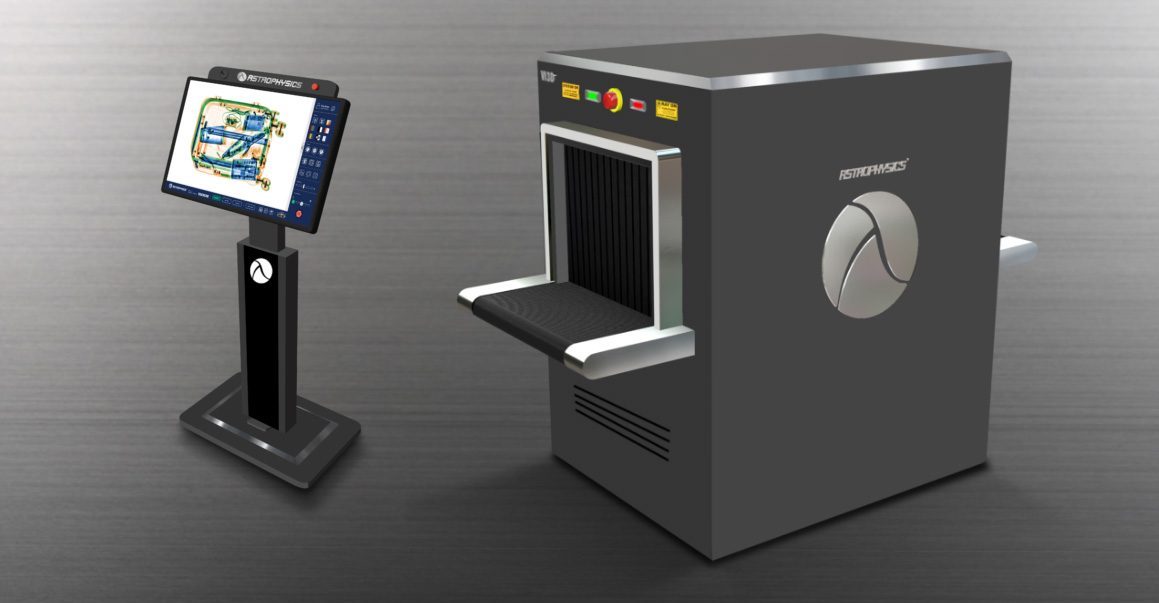
X-ray Inspection Systems are essential security technologies used to detect concealed threats in baggage, cargo, parcels and personal belongings. By producing detailed internal images of scanned objects, these systems allow security operators to identify prohibited items such as weapons, explosives, narcotics and contraband without opening or physically inspecting the contents.
 Open product: Kritiscan® 150180D
Kritiscan® 150180D
The advanced Dual Energy X-Ray Cargo scanner features a tunnel size of 1560 mm (W)… Read more
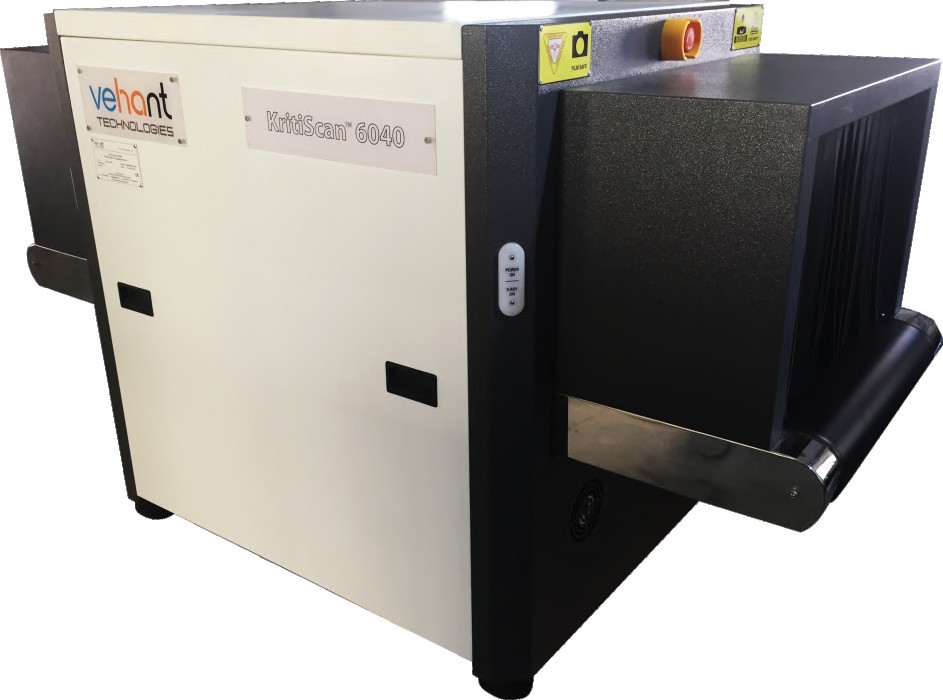 Open product: KritiScan® 6040 – Multi-energy X-ray Baggage Scanner
KritiScan® 6040 – Multi-energy X-ray Baggage Scanner
KritiScan 6040 is the Multi-energy X-ray baggage scanner designed and developed by Vehant Technologies with… Read more
- Open product: KritiScan® 180180D
KritiScan® 180180D
The advanced Dual Energy X-Ray Cargo scanner features a tunnel size of 1850 mm (W)… Read more
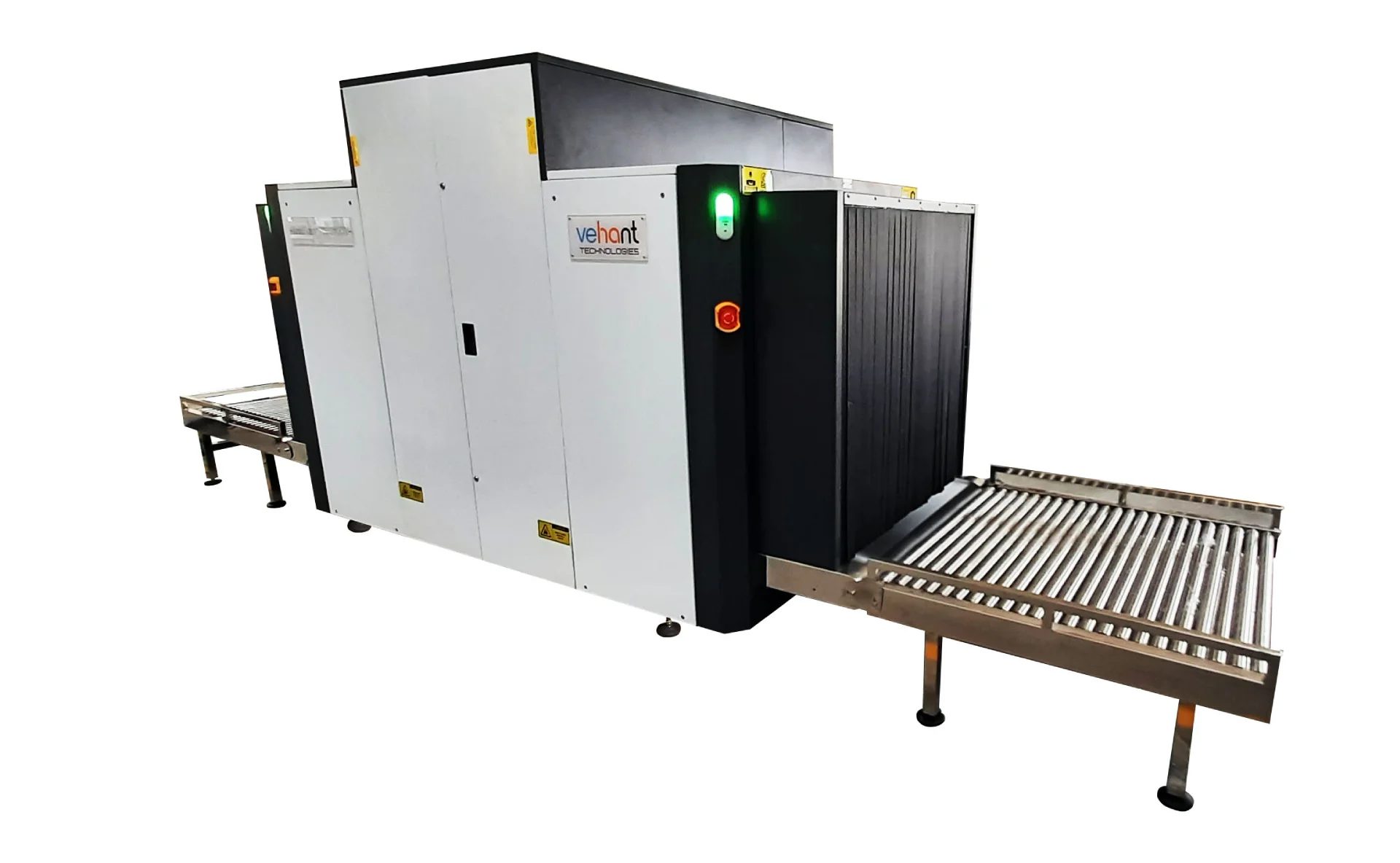 Open product: KritiScan® 100100 LB
KritiScan® 100100 LB
KritiScan® 100100 LB, is a multi-energy X-ray baggage scanner manufactured by Vehant Technologies with a… Read more
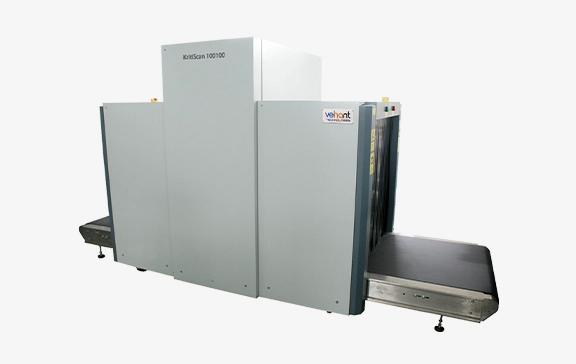 Open product: KritiScan® 100100
KritiScan® 100100
KritiScan® 100100 is a multi-energy X-ray baggage scanner manufactured by Vehant Technologies with a tunnel… Read more
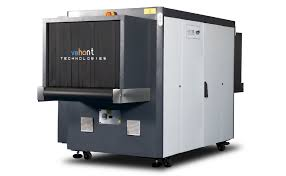 Open product: KritiScan® 7555
KritiScan® 7555
KritiScan® 7555 is designed for security checkpoints and locations requiring small baggage scanning, such as… Read more
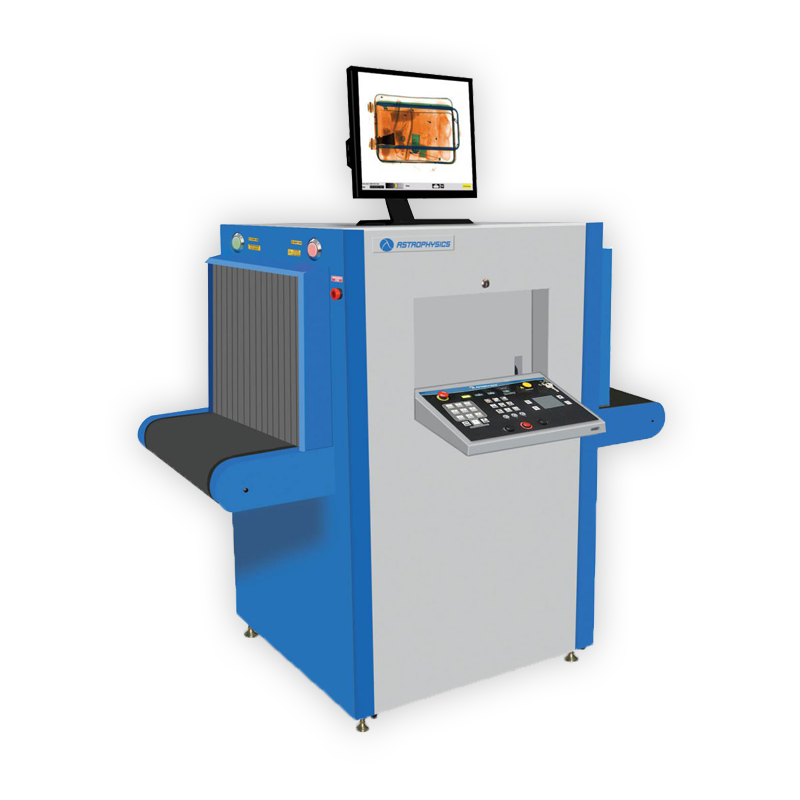 Open product: XIS-6040 – Astrophysics
XIS-6040 – Astrophysics
The XIS-6040 X-Ray Inspection System features a tunnel opening of 60 x 40 cm. The… Read more
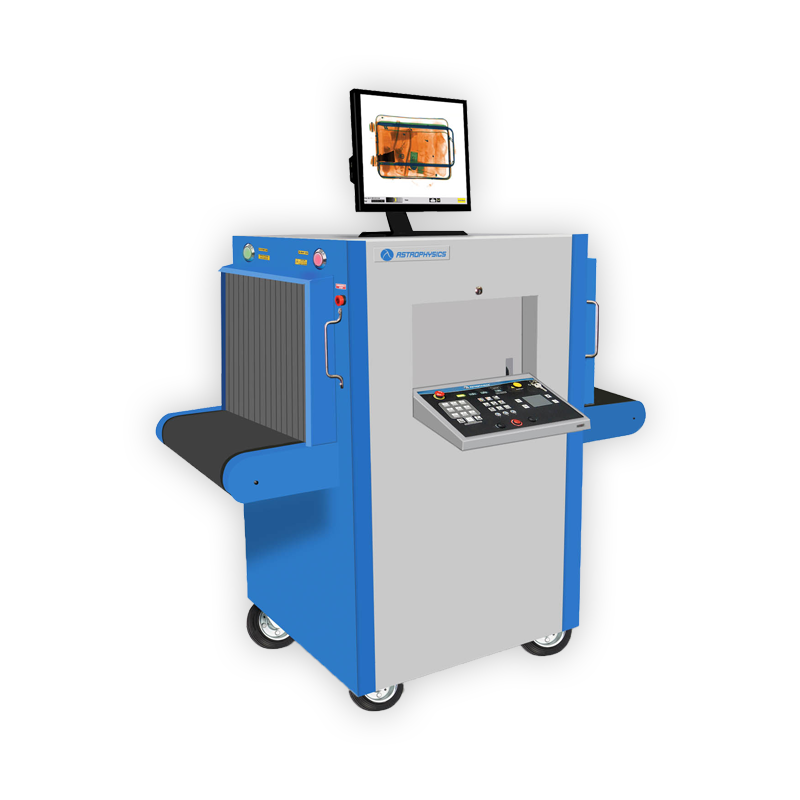 Open product: XIS-6040M – Astrophysics
XIS-6040M – Astrophysics
The XIS-6040M (Mobile) is an X-Ray Inspection System with tunnel dimensions of 60 x 40… Read more
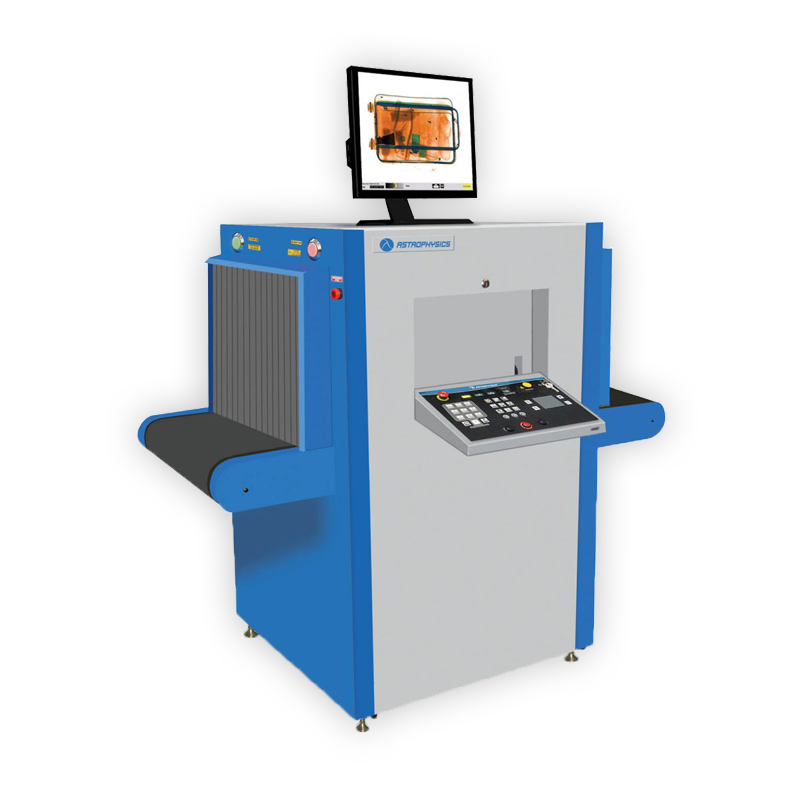 Open product: XIS-6040N – Astrophysics
XIS-6040N – Astrophysics
The XIS-6040N X-Ray Inspection System features a tunnel opening of 60 cm x 40 cm.… Read more
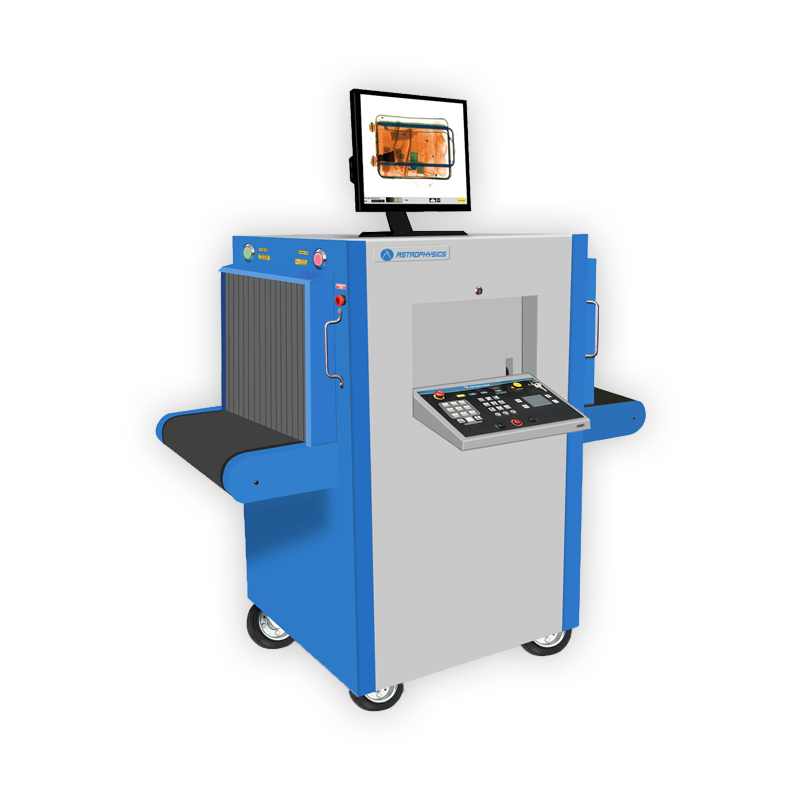 Open product: XIS-6040NM – Astrophysics
XIS-6040NM – Astrophysics
The XIS-6040NM (Mobile) X-Ray Inspection System features a tunnel opening of 60 cm x 40… Read more
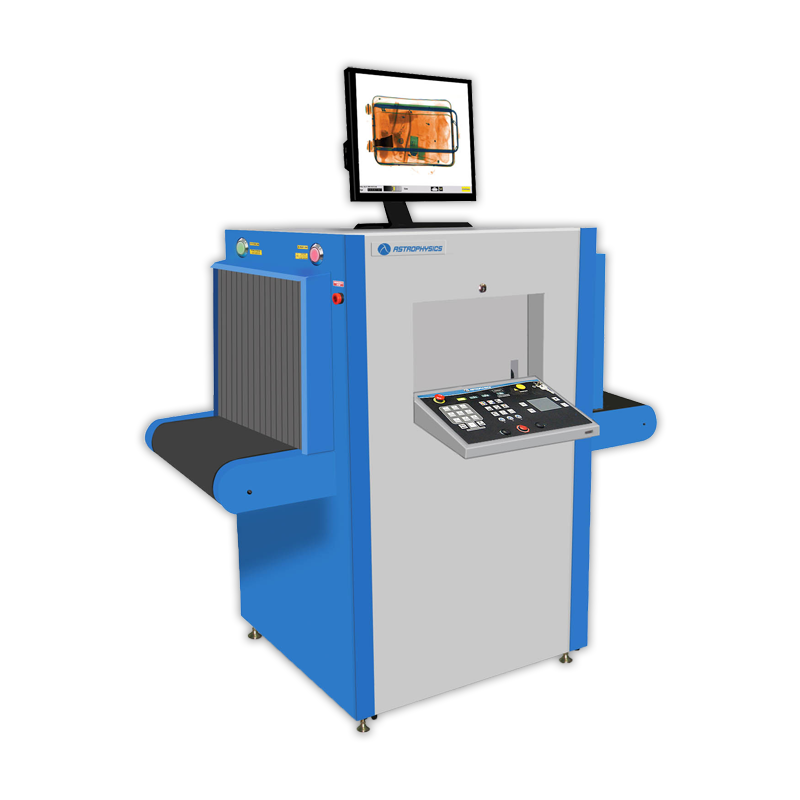 Open product: XIS-5335S – Astrophysics
XIS-5335S – Astrophysics
The XIS-5335S is a small yet powerful X-Ray Inspection System with a tunnel size of… Read more
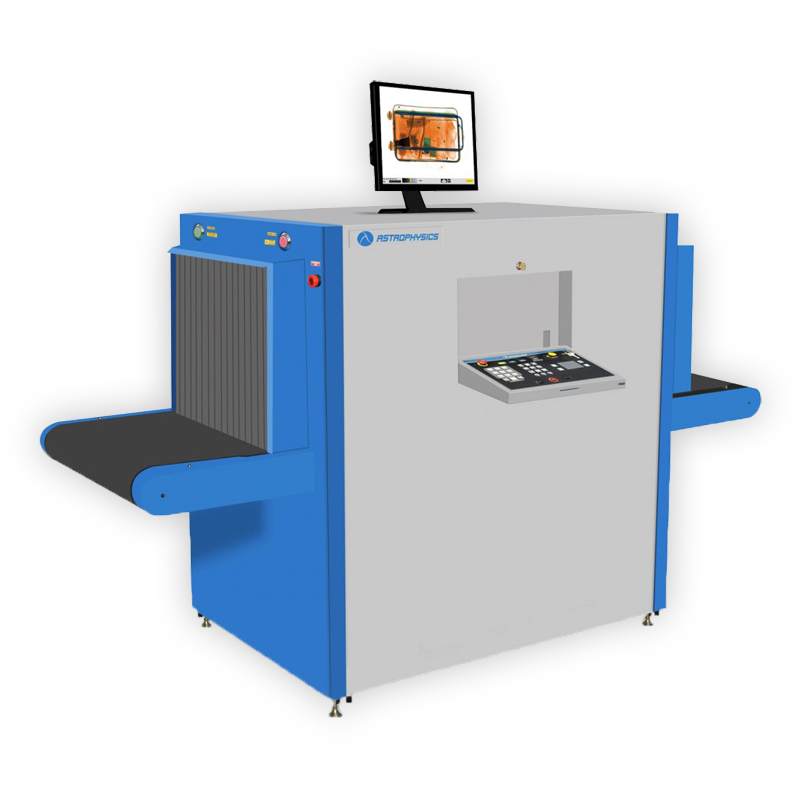 Open product: XIS-6545 – Astrophysics
XIS-6545 – Astrophysics
The XIS-6545 is the ultimate X-Ray Inspection System with a tunnel opening of 65.1 x… Read more
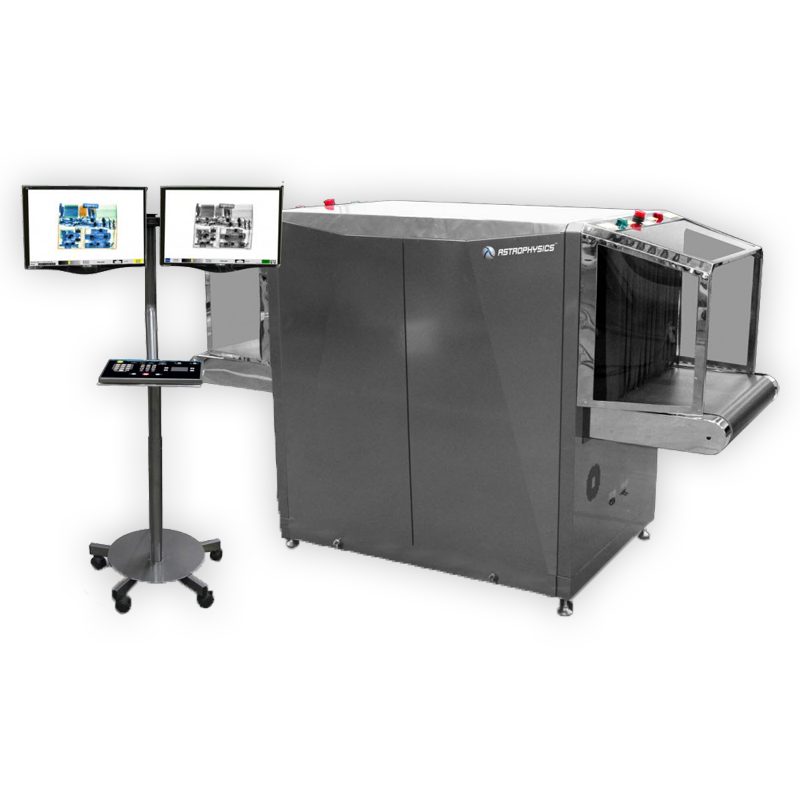 Open product: 6545VI – Astrophysics
6545VI – Astrophysics
The 6545VI is undoubtedly the high performance system in its class. The 6545VI has an… Read more
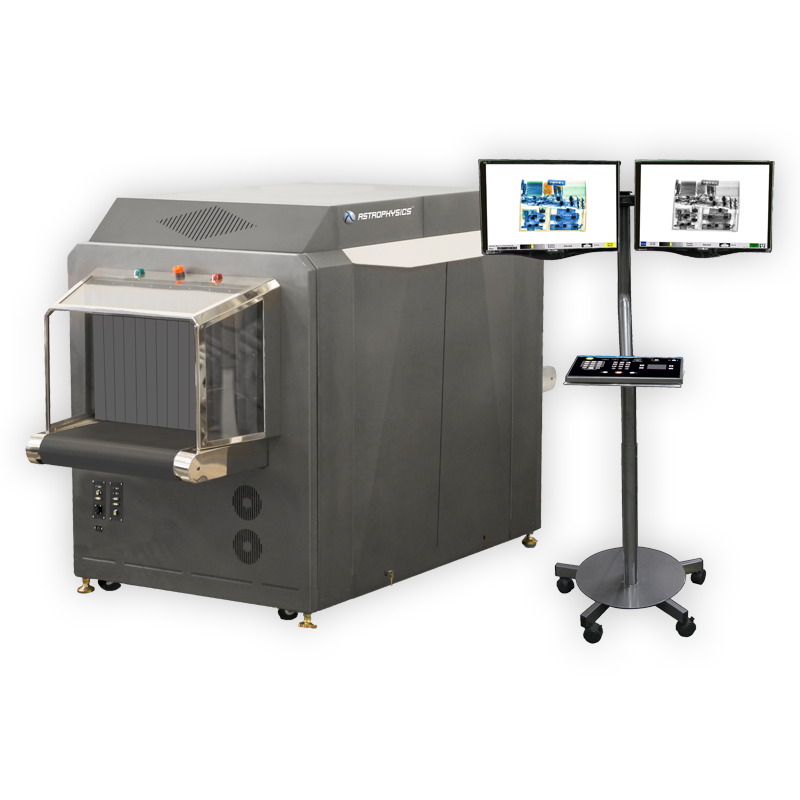 Open product: VI7 – Astrophysics
VI7 – Astrophysics
With a tunnel opening of 62.1 cm x 41.7 cm (W x H) and a… Read more
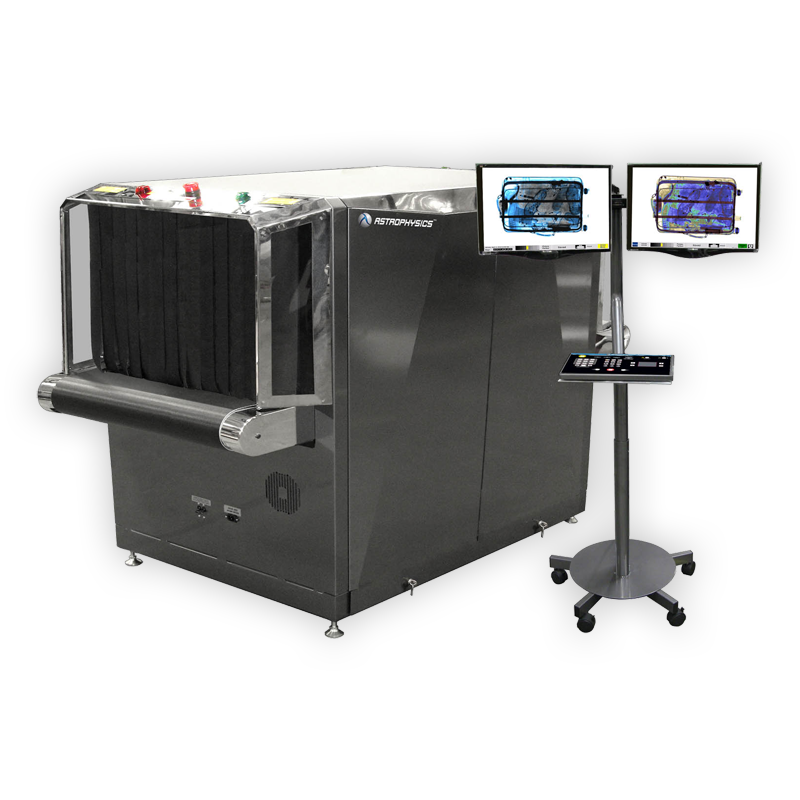 Open product: 7858VI – Astrophysics
7858VI – Astrophysics
The 7858VI combines the VI Series performance with a larger screening capacity. The 7858VI has… Read more
 Open product: XIS-1517DV 320kV – Astrophysics
XIS-1517DV 320kV – Astrophysics
The XIS-1517DV 320kV is an advanced X-Ray Inspection System with a tunnel opening of 152.4… Read more
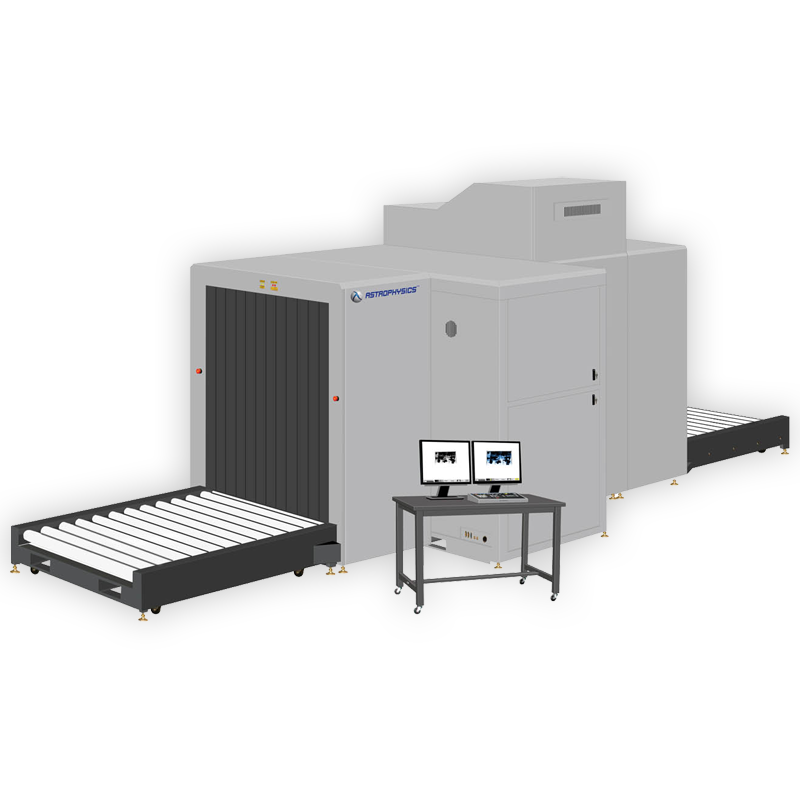 Open product: XIS-1517DV 200kV – Astrophysics
XIS-1517DV 200kV – Astrophysics
The XIS-1517DV 200kV is an advanced X-Ray Inspection System with a tunnel opening of 150… Read more
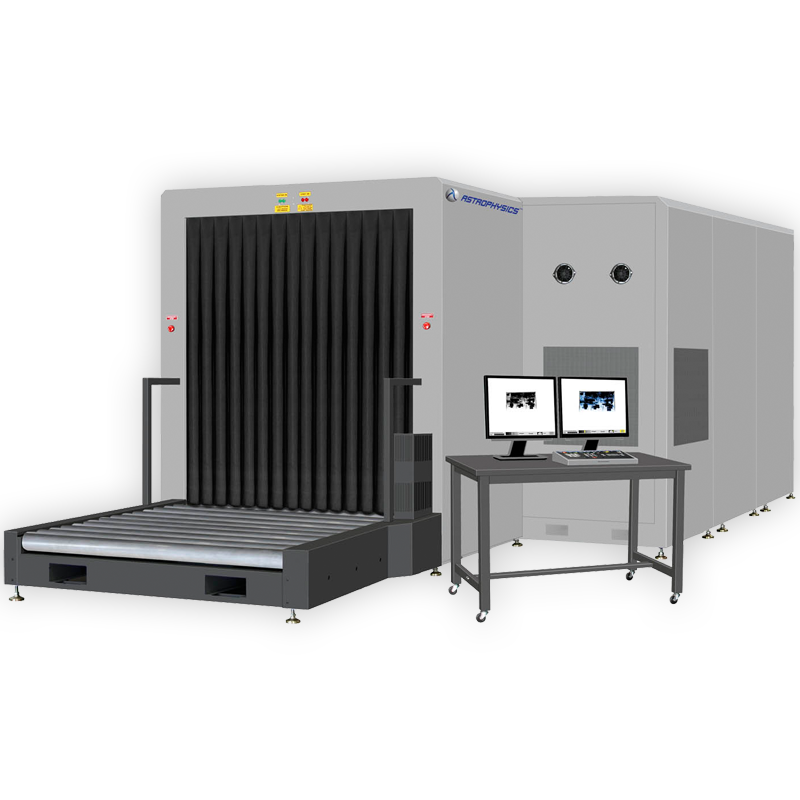 Open product: XIS-1517 320kV – Astrophysics
XIS-1517 320kV – Astrophysics
The XIS-1517 320kV is a high penetration X-Ray Inspection System with a tunnel opening of… Read more
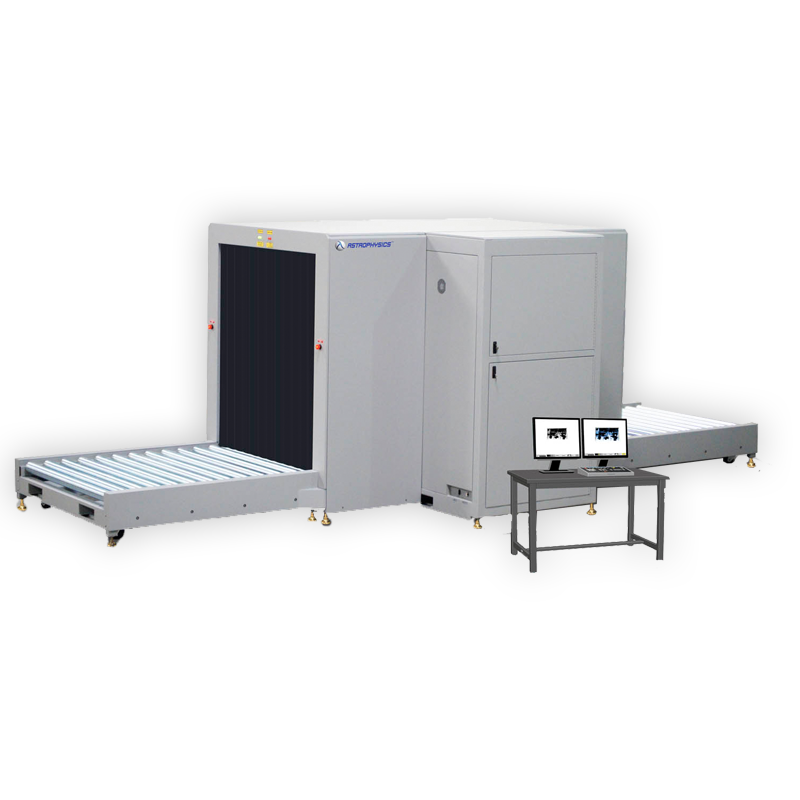 Open product: XIS-1517 200kV – Astrophysics
XIS-1517 200kV – Astrophysics
The XIS-1517 200kV is the premier heavy duty X-Ray Inspection System with a tunnel opening… Read more
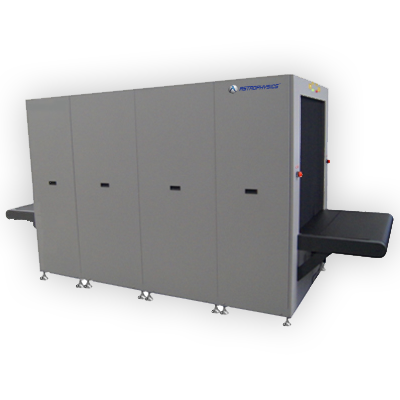 Open product: XIS-100XDV-MD – Astrophysics
XIS-100XDV-MD – Astrophysics
Designed for high-threat security, the modular XIS-100XDV MD is a dual view X-Ray Inspection System… Read more
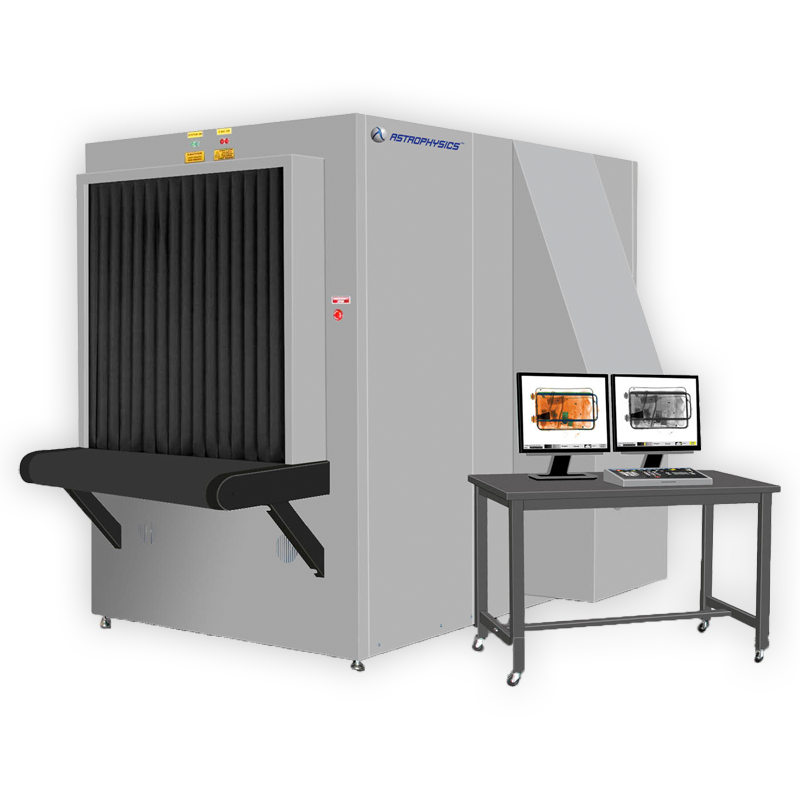 Open product: XIS-100XDV – Astrophysics
XIS-100XDV – Astrophysics
Designed for high-threat security, the XIS-100XDV is a dual view X-Ray Inspection System with a… Read more
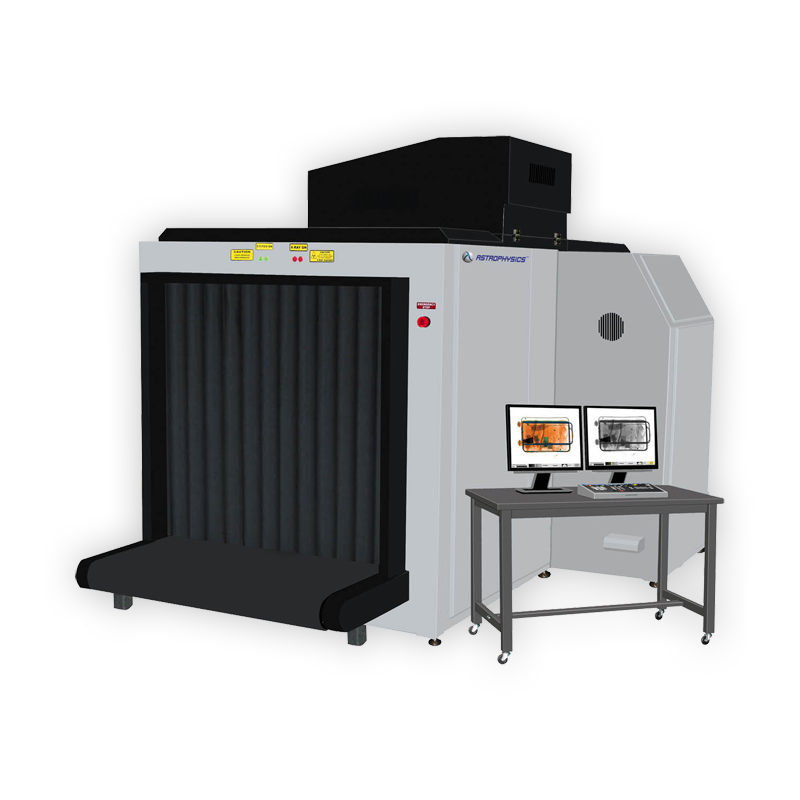 Open product: XIS-100XDX – Astrophysics
XIS-100XDX – Astrophysics
The XIS-100XDX is the newest Dual View X-Ray Inspection System featuring a tunnel size of… Read more
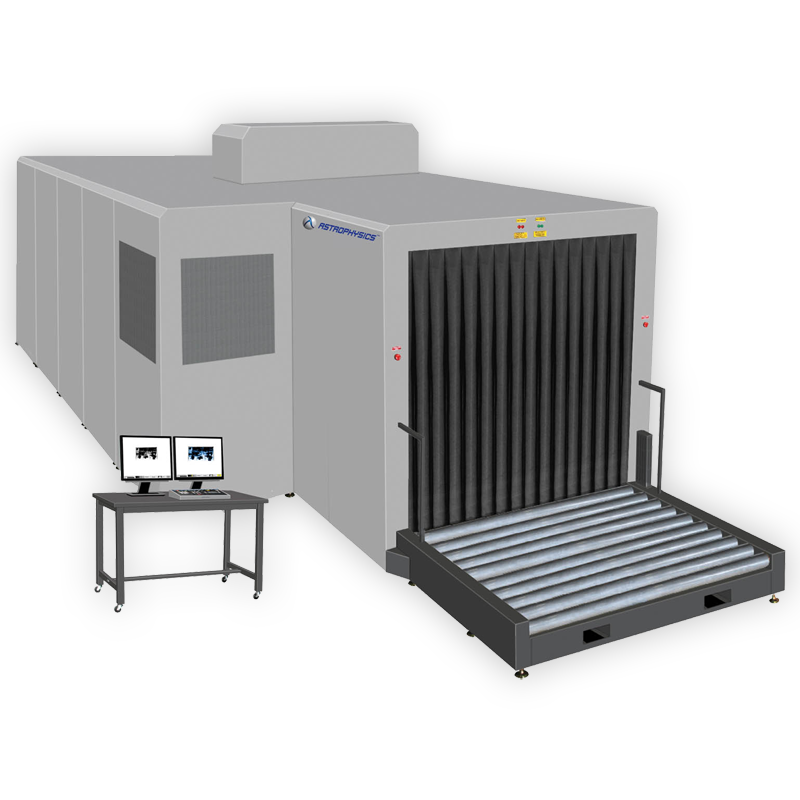 Open product: XIS-1818DV 320kV – Astrophysics
XIS-1818DV 320kV – Astrophysics
The XIS-1818DV 320kV is an advanced X-Ray Inspection System with a tunnel opening of 181… Read more
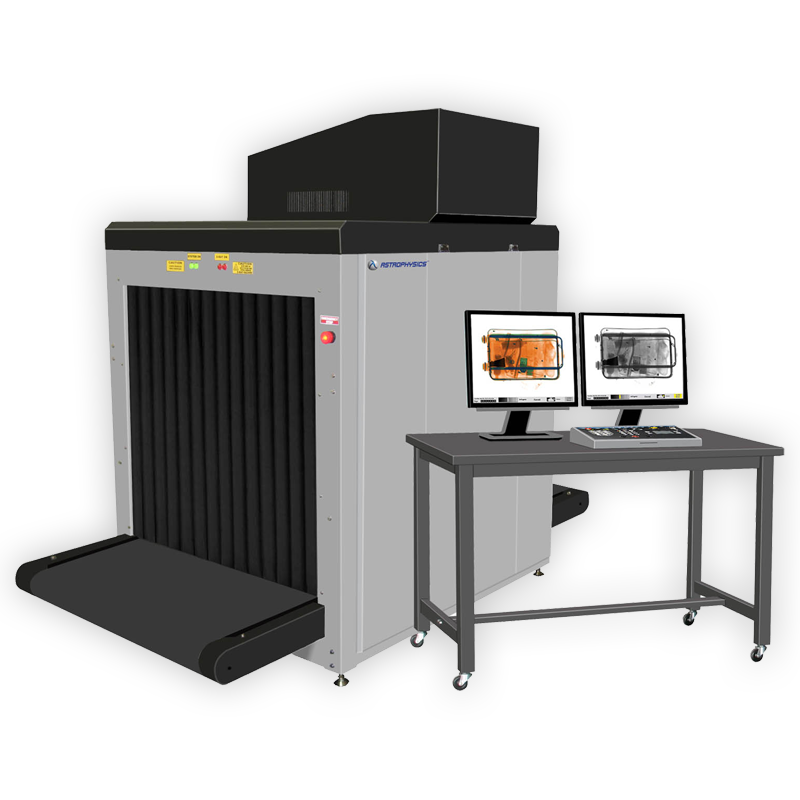 Open product: XIS-100XD – Astrophysics
XIS-100XD – Astrophysics
The XIS-100XD is a redesigned 100X with a tunnel size of 100 x 100 cm.… Read more
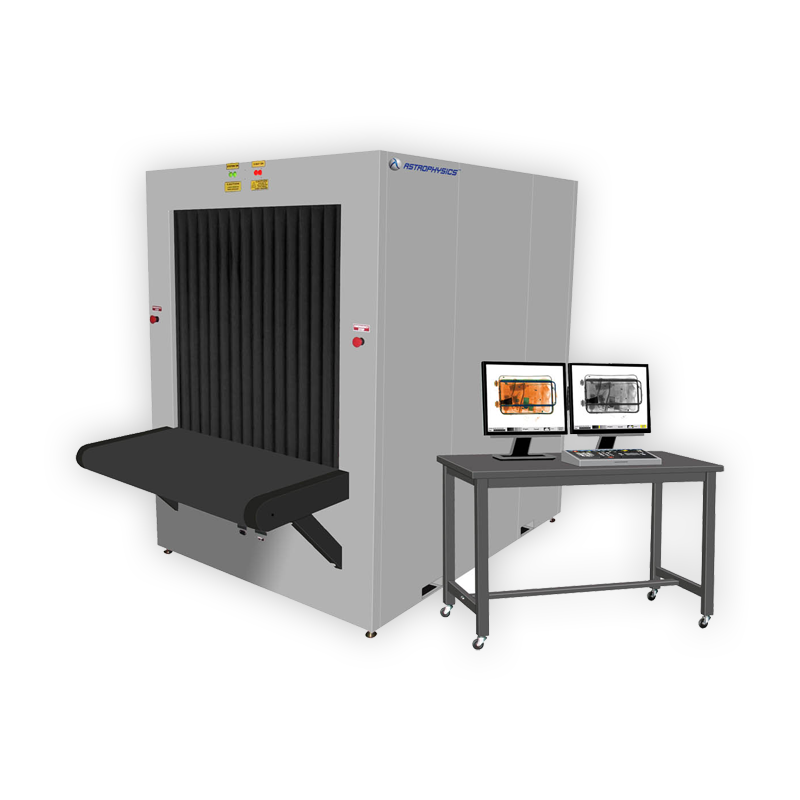 Open product: XIS-100X – Astrophysics
XIS-100X – Astrophysics
The XIS-100X is a versatile X-Ray Inspection System with a tunnel size of 101.6 x… Read more
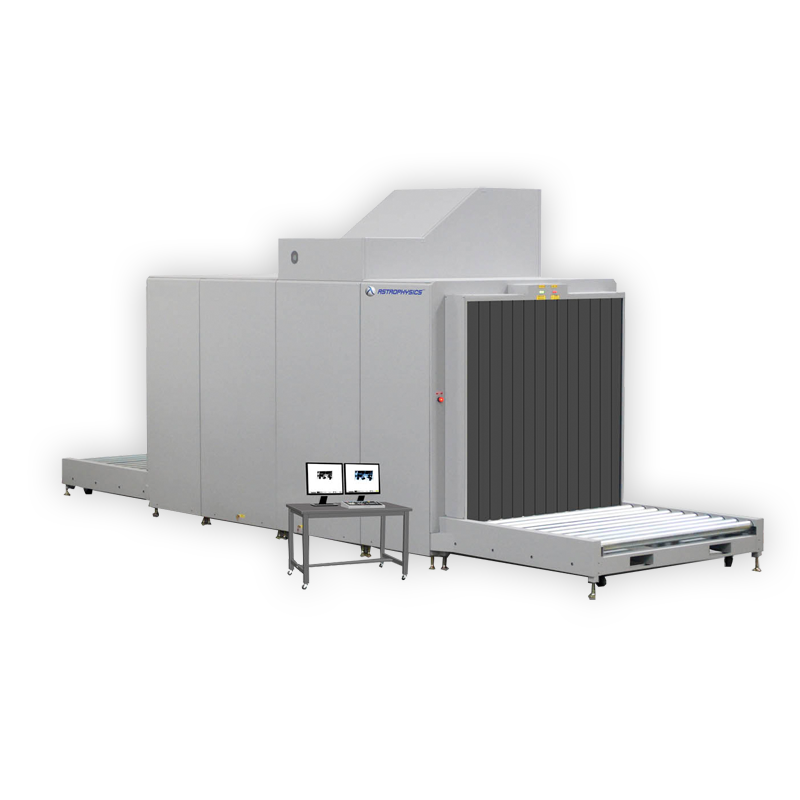 Open product: XIS-1818DV 200kV – Astrophysics
XIS-1818DV 200kV – Astrophysics
The XIS-1818DV 200kV is a high capacity X-Ray Inspection System with extended tunnel dimensions 180.3… Read more
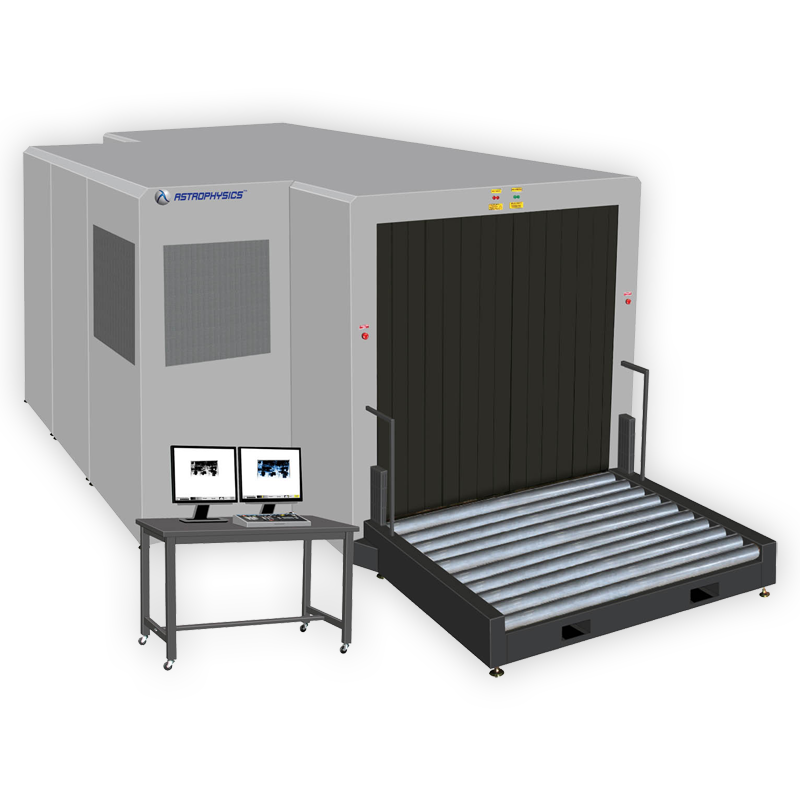 Open product: XIS-1818 320kV – Astrophysics
XIS-1818 320kV – Astrophysics
The XIS-1818 320kV is a high performance X-Ray Inspection System with tunnel dimensions 181 cm… Read more
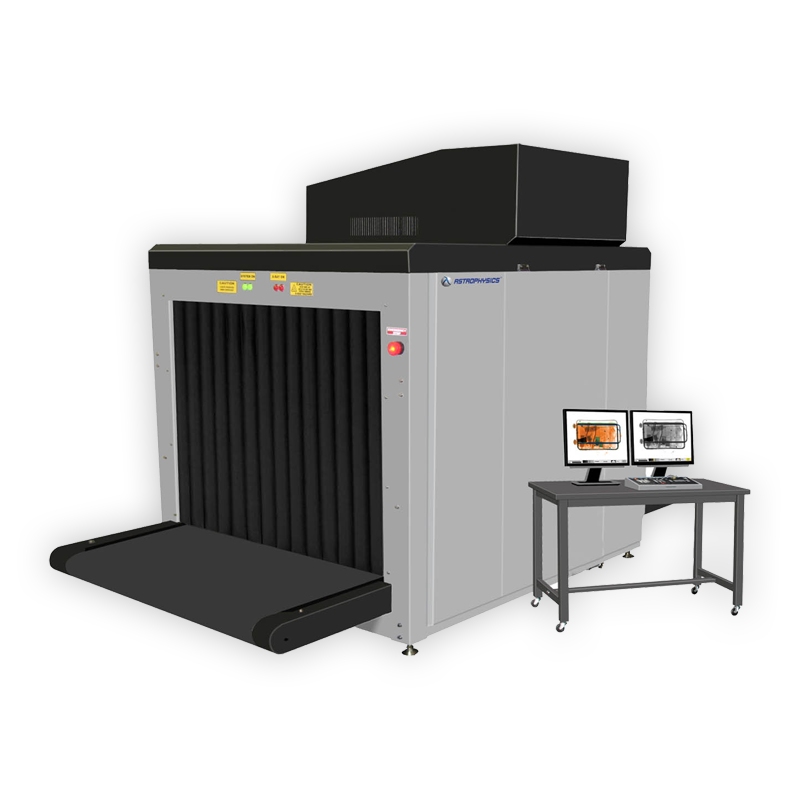 Open product: XIS-1080D – Astrophysics
XIS-1080D – Astrophysics
The XIS-1080D is an advanced X-Ray Inspection System that offers tunnel dimensions of 101 x… Read more
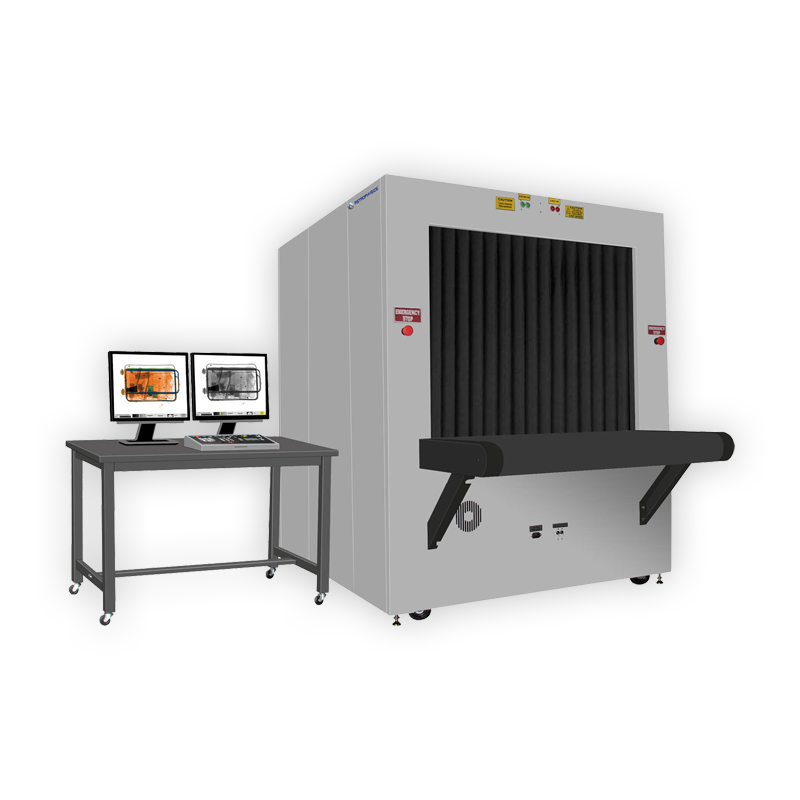 Open product: XIS-1080 – Astrophysics
XIS-1080 – Astrophysics
The XIS-1080 is a mid-size X-Ray Inspection System with a tunnel opening of 101.6 x… Read more
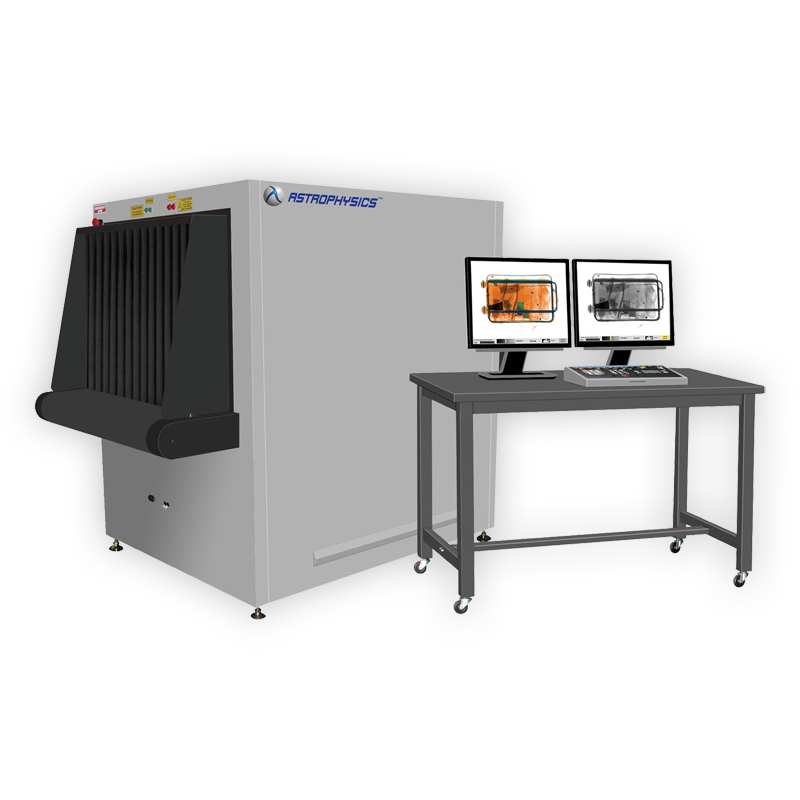 Open product: XIS-7858 – Astrophysics
XIS-7858 – Astrophysics
The XIS-7858 is a uniquely engineered X-Ray Inspection System with a tunnel size of 78… Read more
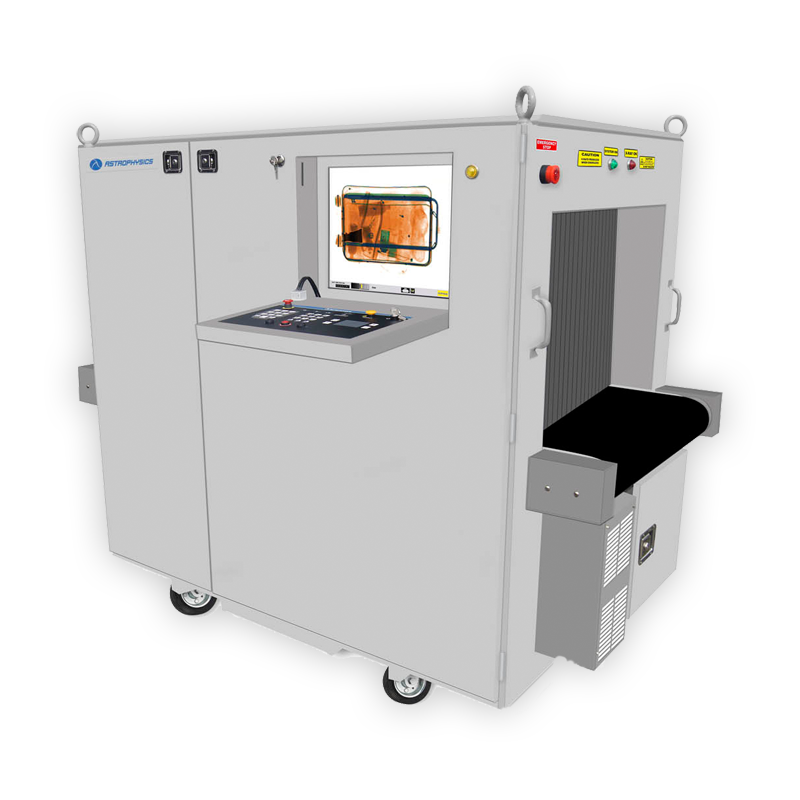 Open product: XIS-7555R – Astrophysics
XIS-7555R – Astrophysics
The new XIS-7555R is Astrophysics’ exclusive ruggedized, self-contained system. Designed and tested specially for outdoor… Read more
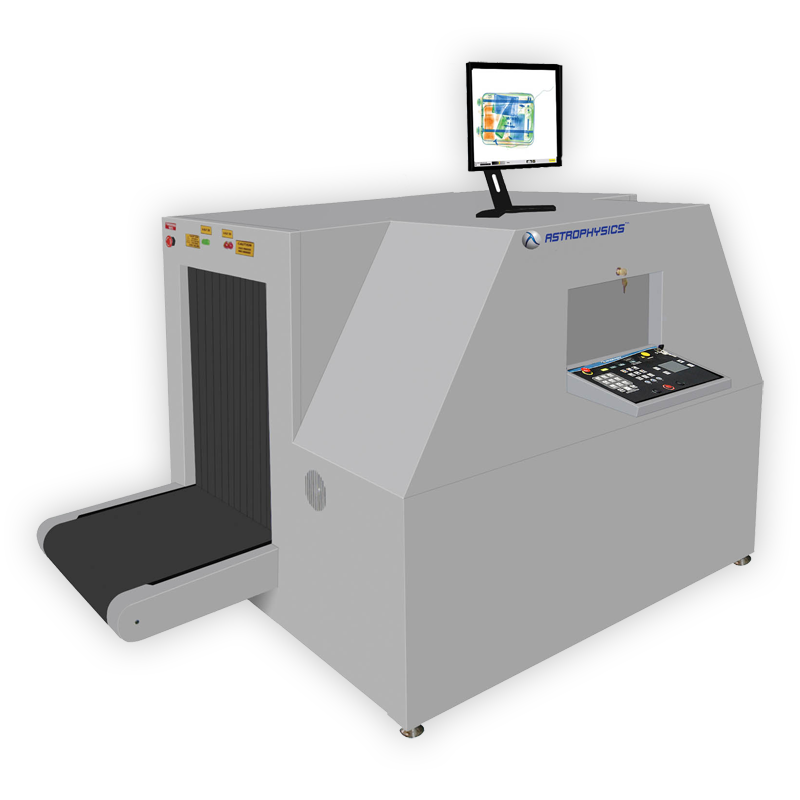 Open product: XIS-5878 – Astrophysics
XIS-5878 – Astrophysics
The XIS-5878 X-Ray Inspection System has tunnel dimensions of 58.4 x 78.3 cm. It features… Read more
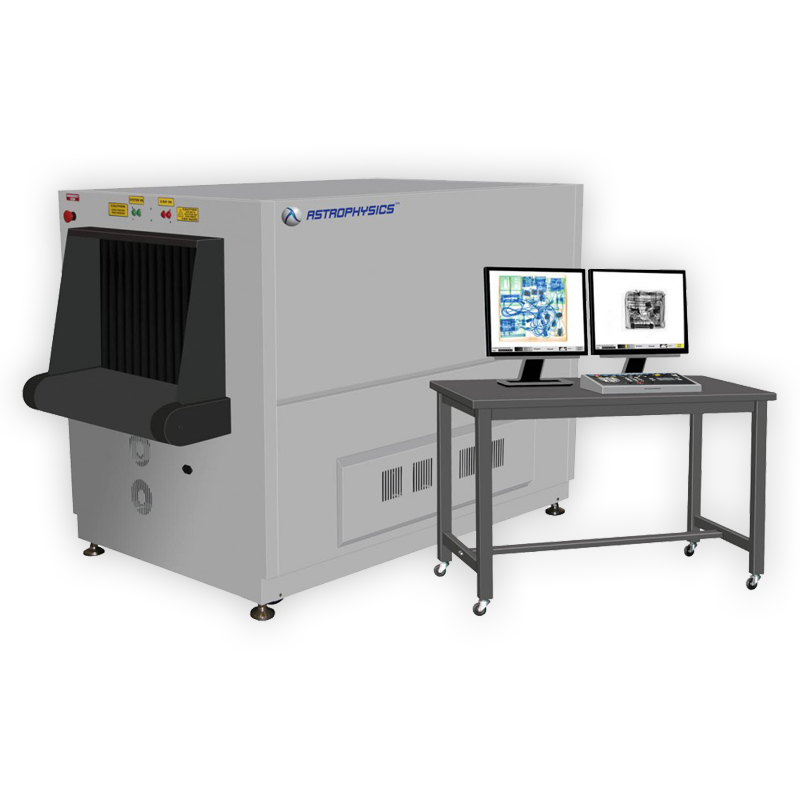 Open product: XIS-6545DV – Astrophysics
XIS-6545DV – Astrophysics
The XIS-6545DV is a dual view X-Ray Inspection System with tunnel dimensions 65 x 45… Read more
 Open product: XIS-6040 VI-3D small parcel scanner(Semi-3D)
XIS-6040 VI-3D small parcel scanner(Semi-3D)
The XIS-6040 VI-3D small parcel scanner features a display that rotates through three views, each… Read more
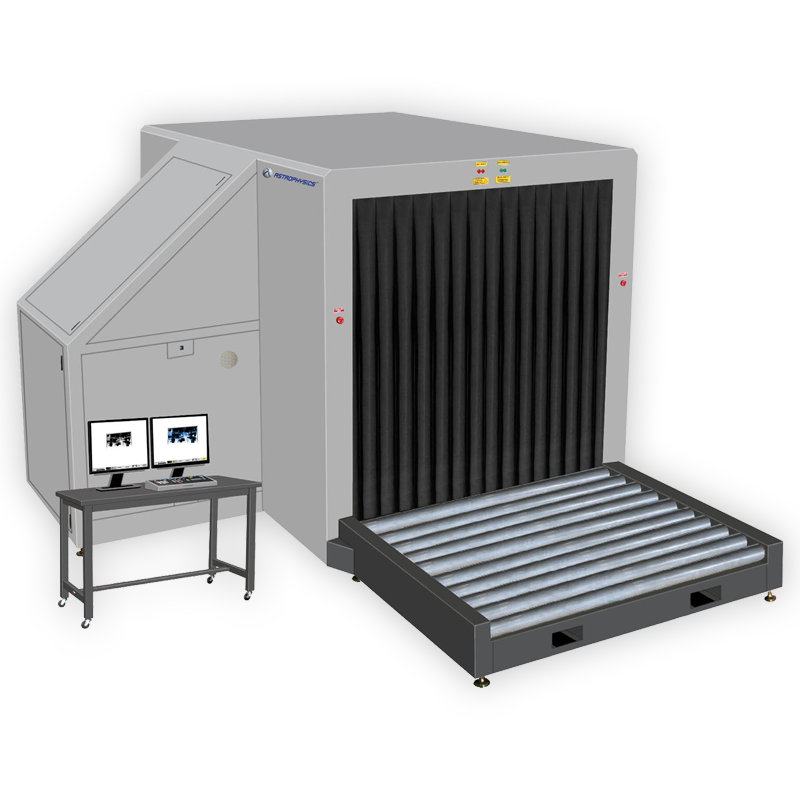 Open product: XIS-1819 200kV – Astrophysics
XIS-1819 200kV – Astrophysics
The XIS-1819 200kV is a high capacity X-Ray Inspection System with extended tunnel of 180.3… Read more
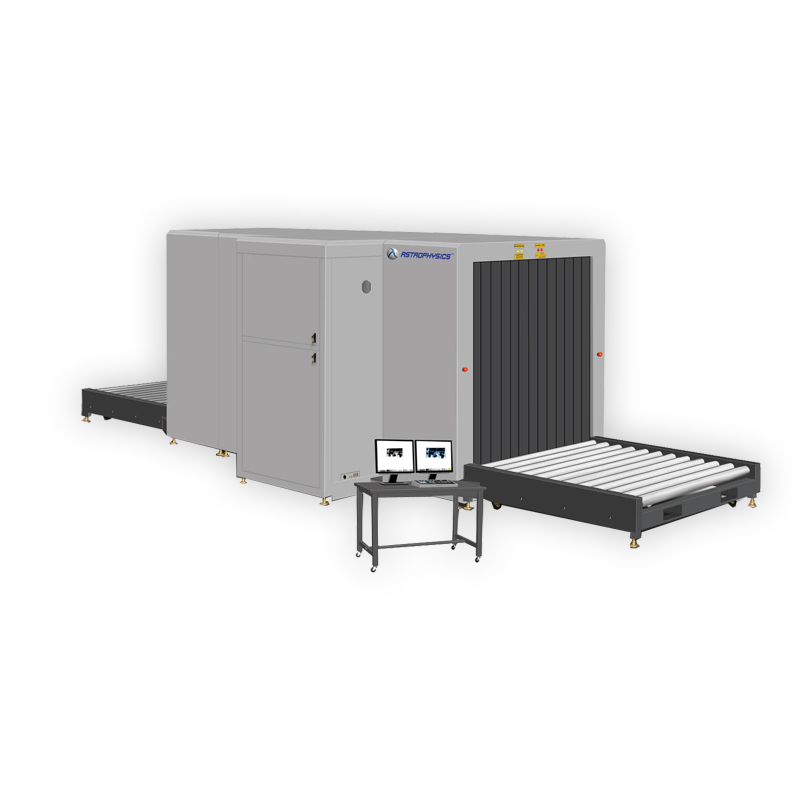 Open product: XIS-1818 200kV – Astrophysics
XIS-1818 200kV – Astrophysics
The XIS-1818 200kV is a high capacity X-Ray Inspection System with extended tunnel dimensions 180.3… Read more
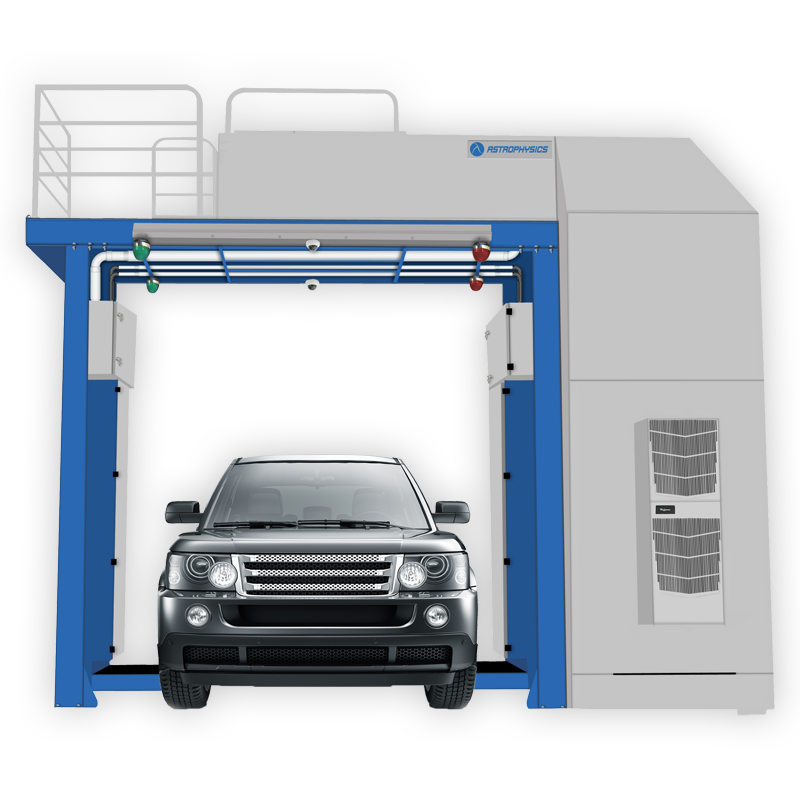 Open product: HXC-320 – Astrophysics
HXC-320 – Astrophysics
The Astrophysics HXC-320 Vehicle Scanner is specifically designed to scan cars and motor vehicles with… Read more
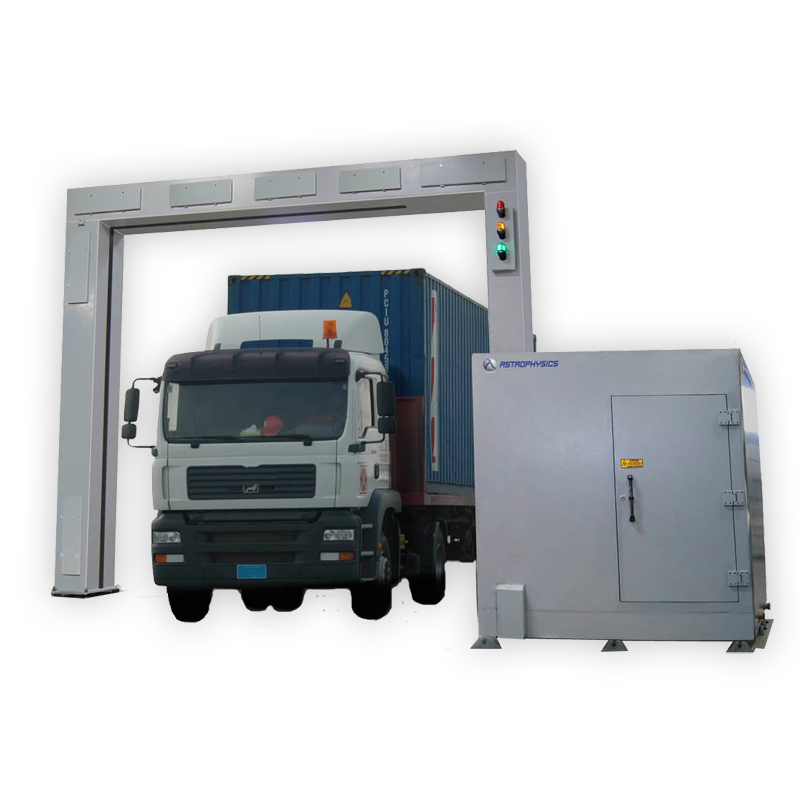 Open product: HXP – Astrophysics
HXP – Astrophysics
Goods are imported and exported all over the world every day. In order to protect… Read more
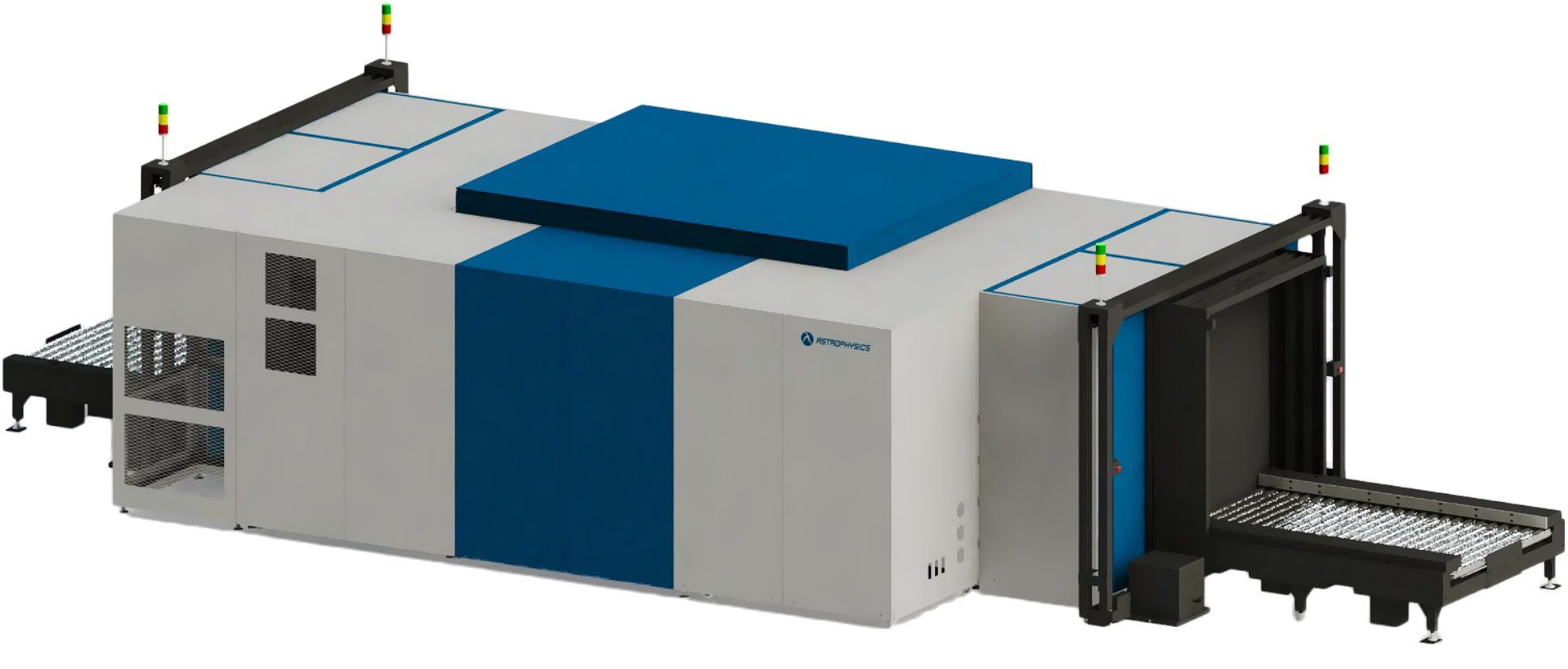 Open product: Multi-View CT System: MVCT Cargo and Pallet Inspection Scanner
Multi-View CT System: MVCT Cargo and Pallet Inspection Scanner
The Astrophysics Multi-View CT (MVCT) is a unique, breakthrough solution for screening medium-to-high density cargo.… Read more
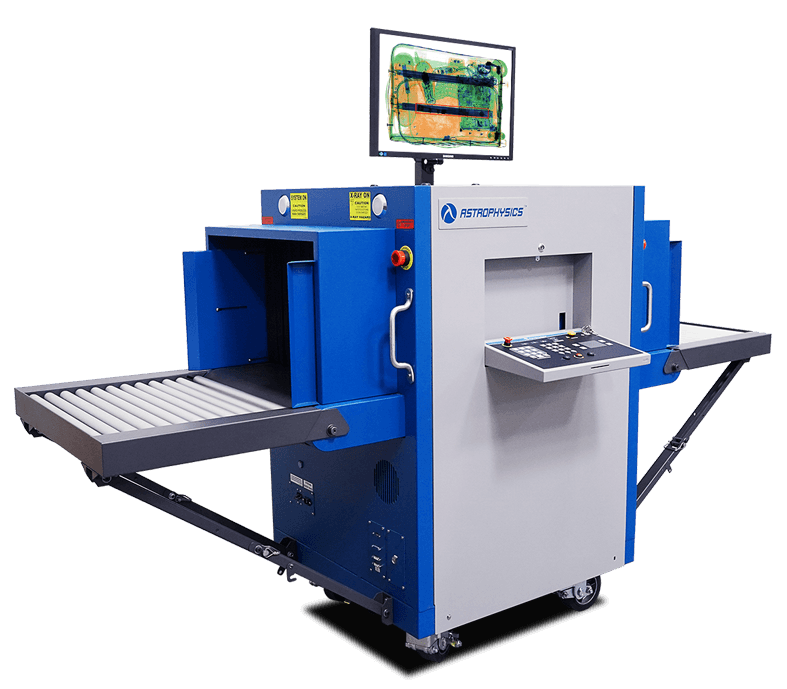
Modern X-ray inspection systems play a vital role in airport security, border control operations, customs inspections and critical infrastructure protection. Using advanced imaging technologies such as dual-energy X-ray scanning and high-resolution image processing, these systems help security personnel quickly identify suspicious items while maintaining efficient screening processes.
For government agencies, military organisations and customs authorities, reliable X-ray inspection technology forms a core part of modern security screening infrastructure. These systems support high-throughput inspection environments where rapid and accurate threat detection is essential.
PEO Detection works with leading technology providers including Astrophysics Inc. and Vehant Technologies to deliver high-performance X-ray inspection solutions designed for demanding security environments worldwide.
What are X-ray Inspection Systems?
X-ray Inspection Systems are security screening devices that use X-ray imaging technology to examine the contents of objects such as luggage, parcels, cargo containers or vehicles.
When an item passes through the system, X-rays penetrate the object and create an image based on the absorption levels of different materials. Dense materials such as metals absorb more radiation and appear differently from organic materials such as plastics or explosives.
Security operators can analyse these images to detect suspicious objects without opening the package or container.
X-ray inspection systems are commonly used in:
- airports and transportation hubs
- border checkpoints and customs facilities
- government buildings and secure sites
- logistics and cargo inspection centres
- critical infrastructure facilities
These systems provide non-intrusive inspection capabilities, allowing authorities to maintain strong security while minimising disruption to operations.
How X-ray Inspection Technology Works
X-ray inspection systems operate using advanced imaging and material analysis technologies.
X-ray Generation
The system produces a controlled beam of X-rays using an X-ray generator. As objects pass through the inspection tunnel, the beam penetrates the contents.
Detection Sensors
Specialised detectors capture the radiation that passes through the scanned object. The level of radiation absorption varies depending on material density and composition.
Image Processing
The system converts detector signals into digital images that display the internal structure of the scanned item.
Dual-Energy Analysis
Many modern systems use dual-energy X-ray technology, which allows the system to distinguish between organic, inorganic and metallic materials.
Threat Identification
Operators can analyse the generated images using specialised software tools to identify weapons, explosives or other prohibited items.
Advanced systems may also include automated threat detection algorithms to assist operators during screening.
Applications of X-ray Inspection Systems
Border Security
Border control agencies use X-ray inspection systems to screen baggage, vehicles and cargo entering or leaving a country, helping detect smuggling or security threats.
Ports and Maritime Security
Ports handling international cargo rely on X-ray inspection systems to examine containers and freight for prohibited or dangerous items.
Airports
Airports use X-ray screening systems to inspect passenger baggage, hand luggage and cargo shipments as part of aviation security procedures.
Military Checkpoints
Military installations and defence operations use X-ray inspection systems to screen vehicles, packages and equipment entering secure areas.
Critical Infrastructure
Government facilities, power plants and other sensitive sites deploy X-ray inspection systems to protect against potential threats.
Nuclear Safety and Radiation Monitoring
In environments where radioactive materials are transported, X-ray inspection systems help verify cargo and ensure compliance with safety protocols.
Cargo and Vehicle Inspection
Customs agencies and logistics operators use X-ray inspection systems to inspect goods and packages without disrupting supply chains.
Key Features and Capabilities
Modern X-ray inspection systems offer a range of advanced capabilities designed for high-performance security screening.
- High-resolution X-ray imaging
- Dual-energy material discrimination
- Real-time image processing
- Automated threat detection alerts
- High-throughput screening capability
- User-friendly operator interfaces
- Integration with security screening systems
- Network connectivity and remote monitoring
- Advanced image analysis tools
- Robust and reliable operation
These capabilities ensure efficient and accurate inspection across a wide range of security environments.
Benefits of Using X-ray Inspection Systems
Improved Threat Detection
Advanced imaging technology allows operators to identify concealed weapons, explosives and contraband quickly and accurately.
Faster Inspection Processes
X-ray inspection enables rapid screening of large volumes of baggage or cargo without opening packages.
Regulatory Compliance
Security screening systems help organisations comply with international aviation security and customs regulations.
Enhanced Safety for Personnel
Non-intrusive inspection methods reduce the need for manual searches and potential exposure to hazardous materials.
Operational Efficiency
Automated analysis tools and high-throughput screening support efficient operations in busy security environments.
Choosing the Right X-ray Inspection Solution
Selecting the appropriate X-ray inspection system requires consideration of several operational factors.
Detection Sensitivity
Systems should provide sufficient resolution and material discrimination to detect concealed threats accurately.
Environmental Conditions
Equipment used in ports, border crossings or outdoor checkpoints must withstand challenging environmental conditions.
Integration Capability
Modern X-ray inspection systems should integrate with broader security screening infrastructure, including access control and detection systems.
Throughput Requirements
Facilities with high traffic volumes require systems capable of screening large numbers of items quickly.
Compliance with International Standards
Systems should meet international security and safety standards applicable to aviation, customs and infrastructure protection.
Our X-ray Inspection Solutions
PEO Detection provides advanced X-ray inspection systems for security screening and threat detection.
Our solutions include technologies from trusted manufacturers:
- Astrophysics Inc.
- Vehant Technologies
These manufacturers are globally recognised for their expertise in security screening technology and high-performance X-ray imaging systems.
The systems available through PEO Detection support a wide range of operational environments including airports, border crossings, government facilities and logistics centres.
Why Choose PEO Detection
Global Security Expertise
PEO Detection specialises in security detection technologies used by government agencies, defence organisations and critical infrastructure operators.
Partnerships with Leading Manufacturers
We work with trusted technology providers to deliver reliable and high-performance security screening solutions.
Proven Deployment in Critical Environments
Our systems are deployed in demanding operational environments including airports, border crossings and high-security facilities.
Support and Consultancy Services
PEO Detection provides expert guidance on system selection, integration and deployment to ensure optimal operational performance.
Conclusion
X-ray Inspection Systems are a critical component of modern security screening infrastructure. By enabling rapid, non-intrusive inspection of baggage, cargo and parcels, these systems help authorities detect threats while maintaining efficient operational workflows.
Through partnerships with leading manufacturers and expertise in security detection technologies, PEO Detection delivers reliable X-ray inspection solutions designed for government agencies, border control authorities and critical infrastructure operators.
Explore the products in this category to discover advanced X-ray inspection technologies tailored to your operational requirements.


