Environmental Monitoring
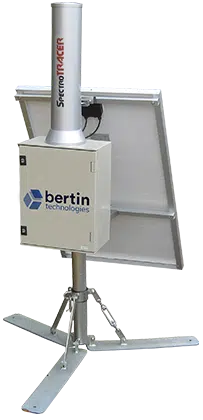
Environmental Radiation Monitoring systems are designed to continuously measure radiation levels in the surrounding environment, providing early detection of radiological hazards and ensuring public and environmental safety. These systems play a critical role in nuclear safety, national security monitoring, and radiation surveillance around sensitive locations.
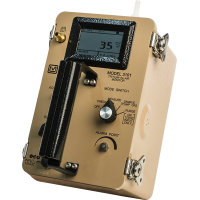 Open product: Model 3101 Portable Tritium in Air Monitor
Model 3101 Portable Tritium in Air Monitor
The Model 3101 Tritium in Air Monitor features ruggedized and flexible operation. It is powered… Read more
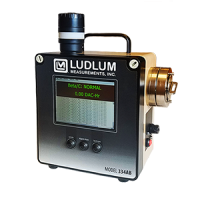 Open product: Model 334AB-G Alpha-Beta Particulate Monitor
Model 334AB-G Alpha-Beta Particulate Monitor
The Model 334AB-G (a replacement for the Model 334AB) is a lightweight, battery-powered, alpha-beta air… Read more
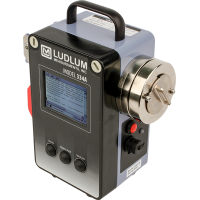 Open product: Model 334A Alpha Air Monitor
Model 334A Alpha Air Monitor
The Model 334A is a compact, lightweight, and portable alpha air monitor designed to function… Read more
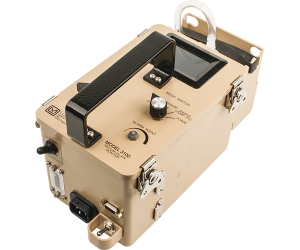 Open product: Model 3100 Portable Tritium in Air Monitor
Model 3100 Portable Tritium in Air Monitor
The Model 3100 Tritium in Air Monitor features ruggedized and flexible operation. It may be… Read more
Modern environmental radiation monitoring solutions use advanced detectors and networked monitoring stations to provide real-time radiation data and early warning alerts. Government authorities, nuclear safety regulators, military organisations and emergency response teams rely on these systems to monitor radiation levels and respond quickly to potential incidents.
Environmental radiation monitoring is particularly important for critical infrastructure, border regions, nuclear facilities and urban areas, where rapid identification of radiological anomalies can help prevent serious health, safety and security risks.
PEO Detection works with leading manufacturers including BSI, Bertin Instruments, Centronic Nuclear, Else Nuclear, GEORADIS s.r.o., Ludlum, PHDS, SDEC France and Ultra Electronics to deliver advanced environmental radiation monitoring solutions for demanding operational environments.
What is Environmental Radiation Monitoring?
Environmental Radiation Monitoring refers to the continuous measurement and analysis of radiation levels in air, soil, water or surrounding environments. These monitoring systems are used to detect abnormal radiation levels that may indicate the presence of radioactive contamination or a radiological incident.
Environmental monitoring networks typically consist of fixed radiation monitoring stations equipped with sensitive detectors capable of measuring gamma radiation and other forms of ionising radiation.
The collected data is transmitted to central monitoring platforms where it can be analysed and visualised in real time. This allows authorities to track radiation levels across large geographic areas and identify anomalies quickly.
Environmental radiation monitoring systems are widely used for:
- nuclear facility safety monitoring
- national radiation surveillance networks
- environmental protection programmes
- emergency response planning
- radiological early warning systems
These systems form a key part of modern radiation detection and nuclear safety infrastructure.
How Environmental Radiation Monitoring Technology Works
Environmental radiation monitoring systems rely on highly sensitive detectors and automated data transmission technologies.
Radiation Detection Sensors
Environmental monitoring stations typically include detectors such as:
- gamma radiation detectors
- scintillation detectors
- semiconductor radiation sensors
- Geiger-Müller tubes
These detectors measure radiation dose rates in the surrounding environment.
Continuous Data Collection
Monitoring stations operate continuously, recording radiation levels at regular intervals and transmitting data to a central monitoring platform.
Networked Monitoring Infrastructure
Multiple monitoring stations are deployed across a region to form a radiation monitoring network. This network provides comprehensive geographic coverage and enables authorities to detect anomalies across wide areas.
Automated Alert Systems
When radiation levels exceed predefined thresholds, automated alerts are triggered to notify authorities and emergency response teams.
Data Analysis and Visualisation
Central monitoring platforms collect data from all stations, allowing operators to analyse radiation trends, identify potential threats and coordinate response measures.
Applications of Environmental Radiation Monitoring Systems
Border Security
Environmental radiation monitoring networks can be deployed in border regions to detect radiological threats and monitor radiation levels near entry points.
Ports and Maritime Security
Ports handling large volumes of cargo can benefit from continuous environmental radiation monitoring to detect potential radiological contamination or illicit radioactive materials.
Airports
Airports may deploy monitoring stations to support radiation surveillance and ensure safe handling of radioactive cargo.
Military Checkpoints
Military installations and forward operating bases may use environmental radiation monitoring to detect radiological threats in operational areas.
Critical Infrastructure
Nuclear facilities, research laboratories and industrial sites rely on environmental monitoring systems to ensure compliance with radiation safety standards.
Nuclear Safety and Radiation Monitoring
Environmental radiation monitoring plays a central role in national nuclear safety programmes and radiological emergency preparedness.
Cargo and Vehicle Inspection
Monitoring networks can complement radiation detection systems used in cargo inspection and logistics environments.
Key Features and Capabilities
Modern environmental radiation monitoring systems provide a wide range of capabilities designed for continuous surveillance.
- High sensitivity radiation detection
- Continuous real-time radiation monitoring
- Automated alarm and alert systems
- Networked radiation monitoring stations
- Remote monitoring and data access
- Integration with command and control platforms
- Weather-resistant monitoring equipment
- Long-term autonomous operation
- Secure communication systems
- Data logging and historical analysis
These capabilities ensure reliable monitoring in demanding environmental and security conditions.
Benefits of Using Environmental Radiation Monitoring Systems
Early Detection of Radiological Threats
Continuous monitoring enables authorities to detect abnormal radiation levels quickly and initiate appropriate response measures.
Improved Nuclear Safety
Environmental radiation monitoring supports safe operation of nuclear facilities and helps protect surrounding communities.
Regulatory Compliance
Monitoring systems help organisations comply with international radiation safety regulations and environmental monitoring requirements.
Situational Awareness
Real-time monitoring data provides authorities with a clear overview of radiation levels across monitored areas.
Enhanced Emergency Preparedness
Environmental radiation monitoring networks support effective planning and response to radiological incidents.
Choosing the Right Environmental Radiation Monitoring Solution
Selecting an appropriate environmental radiation monitoring system requires careful consideration of operational requirements.
Detection Sensitivity
Monitoring stations should be capable of detecting small changes in background radiation levels.
Environmental Conditions
Equipment must withstand extreme weather conditions, including temperature fluctuations, humidity and precipitation.
Integration Capability
Monitoring networks should integrate with command centres, data platforms and other radiation detection systems.
Coverage Requirements
The number and placement of monitoring stations should ensure adequate coverage across the monitored region.
Compliance with International Standards
Equipment should meet recognised standards for environmental radiation monitoring and nuclear safety.
Our Environmental Radiation Monitoring Solutions
PEO Detection provides a comprehensive portfolio of environmental radiation monitoring technologies designed for national security, nuclear safety and environmental protection.
Our solutions include technologies from leading manufacturers:
- BSI
- Bertin Instruments
- Centronic Nuclear
- Else Nuclear
- GEORADIS s.r.o.
- Ludlum Measurements Inc.
- PHDS
- SDEC France
- Ultra Electronics
These manufacturers provide advanced radiation monitoring systems used by government agencies, nuclear regulators and security organisations worldwide.
The environmental monitoring solutions available through PEO Detection support continuous radiation surveillance, large-scale monitoring networks and critical infrastructure protection.
Why Choose PEO Detection
Global Security Expertise
PEO Detection specialises in detection technologies for defence, border security and nuclear safety applications.
Partnerships with Leading Manufacturers
We collaborate with globally recognised technology providers to deliver reliable radiation monitoring solutions.
Proven Deployment in Critical Environments
Our systems are deployed in high-security environments including nuclear facilities, border regions and national monitoring networks.
Support and Consultancy Services
PEO Detection provides expert guidance on system design, deployment and integration of radiation monitoring infrastructure.
Conclusion
Environmental Radiation Monitoring systems are essential for ensuring nuclear safety, environmental protection and national security. By continuously measuring radiation levels and providing real-time alerts, these systems enable authorities to detect radiological threats and respond effectively to potential incidents.
Through partnerships with leading manufacturers and expertise in radiation detection technologies, PEO Detection delivers reliable environmental radiation monitoring solutions for government agencies, nuclear safety operators and defence organisations worldwide.
Explore the products in this category to discover advanced monitoring technologies designed for continuous radiation surveillance.


